TL;DR:
SEO isn’t a mystery—it’s a method. By optimizing your site structure, keywords, and content, you can attract the right audience organically. These simple strategies help your website rank higher, load faster, and work smarter for your goals.
Are you ready to take your website’s search engine ranking to the next level? As we step into 2024, staying updated with the latest SEO practices is essential for building a strong online presence.
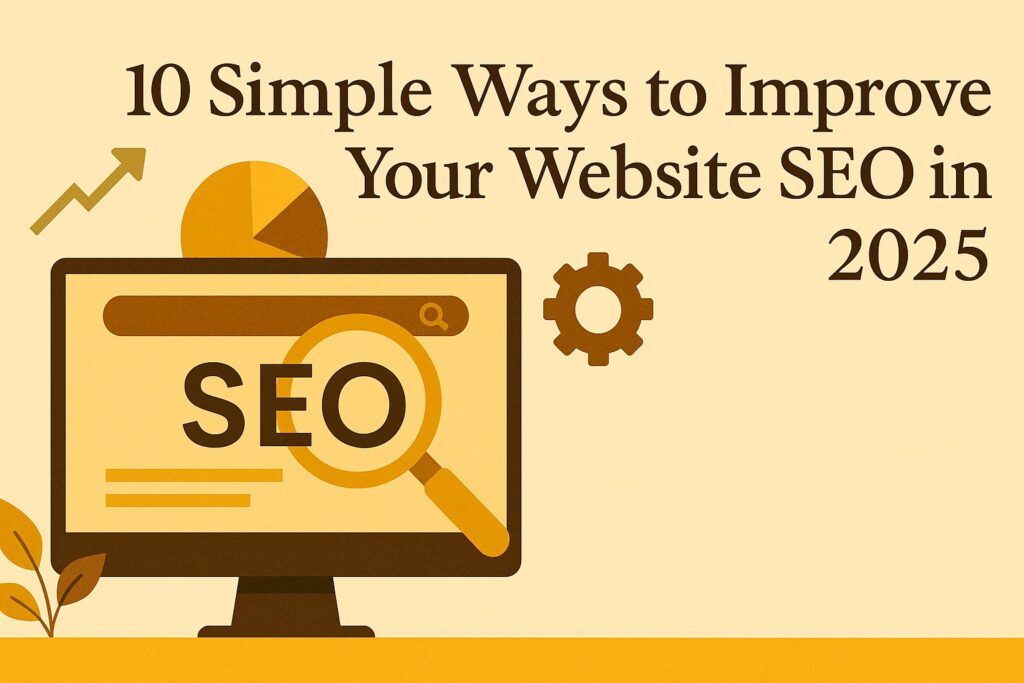
Search Engine Optimization (SEO), when done correctly, helps your website rank higher on Google, Bing, and Yahoo. By following these 10 proven strategies, you can increase visibility, attract organic traffic, and improve user engagement.
FAQs: Simple Ways to Improve Website SEO
1. What is SEO and why is it important?
SEO (Search Engine Optimization) helps search engines find and rank your site, driving more organic traffic.
2. What are the easiest ways to boost SEO?
Use keywords naturally, write quality content, optimize images, and make sure your site loads quickly.
3. How can I improve on-page SEO?
Focus on title tags, meta descriptions, internal links, and mobile-friendly design.
4. How often should I update my website for SEO?
Regularly. Fresh, relevant content tells search engines your site is active and trustworthy.
5. Can beginners handle SEO without hiring experts?
Yes. Many free tools and guides make SEO accessible—you just need consistency and patience to see results.
1. Write Original and High-Quality Content
The principle “content is king” remains true. Search engines reward websites that publish unique, valuable, and human-focused content.
Why Original Content Matters:
- Google penalizes duplicate or plagiarized content.
- High-quality articles attract backlinks and improve domain authority.
- Engaging content increases user retention and dwell time.
How to Create High-Value Content:
- Research thoroughly and provide original insights.
- Use case studies and real-world examples.
- Structure content with headings, subheadings, and storytelling.
👉 Remember: Google’s Helpful Content Update prioritizes content written for people, not just for search engines.
2. Post New Content Regularly
Consistency signals to search engines that your website is active and relevant.
Best Practices:
- Publish at least one blog post per week.
- Update older posts with fresh data and keywords.
- Maintain a mix of evergreen and trending content.
Even small homepage updates encourage Google to crawl your site more often.
You might also like: Essential Computer Skills for the 21st Century: From Basics to Advanced Tips
3. Use Relevant Keywords Strategically
Keywords are the backbone of SEO—they connect your content to user searches.
How to Optimize Keywords:
- Target long-tail keywords that match search intent (e.g., best SEO strategies for small businesses).
- Place keywords naturally in titles, meta descriptions, URLs, and subheadings.
- Avoid keyword stuffing—focus on natural flow.
Tools like Google Keyword Planner, Ubersuggest, and Ahrefs help you find high-traffic, low-competition keywords.
4. Organize Your Website With Categories and Tags
A well-structured website improves both usability and SEO.
Best Practices:
- Create broad categories that reflect your niche (e.g., SEO Tips, Content Marketing).
- Use tags for specific topics (e.g., backlinks, keyword research).
- Avoid creating too many unnecessary subcategories.
This structure helps with internal linking, crawlability, and user navigation.
5. Optimize Website Structure for Better UX
A clean, user-friendly structure makes it easier for search engines and visitors to navigate.
Optimization Tips:
- Use clear menus and intuitive navigation.
- Implement breadcrumb navigation.
- Keep URLs short and descriptive (e.g., yourwebsite.com/seo-best-practices-2024).
- Create an XML sitemap to ensure all pages are indexed.
💡 Don’t forget: Google now prioritizes mobile-first indexing.
6. Install the Yoast SEO Plugin (WordPress Users)
If you’re on WordPress, plugins simplify optimization.
Why Yoast SEO Is Essential:
- Optimize meta titles and descriptions.
- Real-time SEO and readability analysis.
- Automatically generate XML sitemaps.
- Manage keywords and internal linking.
The free version is great for beginners, while the premium upgrade adds advanced tools.
7. Follow Content Creation Best Practices
Well-structured content keeps users engaged and reduces bounce rates.
Tips for SEO-Optimized Content:
- Use H1 for titles, H2/H3 for subheadings.
- Keep paragraphs short and easy to read.
- Use bullet points and numbered lists for clarity.
- Add internal links to related posts.
- Always include a Call to Action (CTA) at the end.
Example CTA: “Want more SEO tips? Subscribe to our newsletter!”
8. Optimize Images for SEO
Images boost engagement but can hurt performance if not optimized.
How to Optimize:
- Add descriptive alt text to each image.
- Compress images using tools like TinyPNG or ShortPixel.
- Rename files descriptively (e.g., seo-checklist-2024.jpg).
Optimized images improve page speed and Core Web Vitals, both ranking factors.
9. Use Readable Fonts and Colors
User experience extends beyond content—it includes readability.
Best Practices:
- Choose simple fonts (e.g., Arial, Roboto, Open Sans).
- Use contrasting text and background colors.
- Keep font size between 16px–18px.
- Limit bold and italics to highlights.
Readable websites encourage longer visits and better engagement.
10. Leverage Social Media for More Traffic
While social signals don’t directly affect rankings, they boost visibility and backlinks.
Social Media SEO Tips:
- Share posts across Facebook, LinkedIn, Twitter/X, and Pinterest.
- Use hashtags for discoverability.
- Engage with comments to build community.
- Run ads to reach new audiences.
More shares = more traffic = more chances for backlinks.
Final Thoughts: SEO Is a Long-Term Game
SEO isn’t about quick wins—it’s about consistent improvement. By applying these strategies in 2024, you’ll see steady growth in rankings, traffic, and engagement.
Key Takeaways:
- Publish original, valuable content consistently.
- Use relevant keywords and structured categories.
- Optimize site design, images, and content readability.
- Install tools like Yoast SEO to simplify optimization.
- Promote content through social media to expand reach.
🚀 Next Steps:
1️⃣ Take an SEO for Beginners course.
2️⃣ Master Keyword Research Techniques.
3️⃣ Dive into Advanced Technical SEO.
👉 Which of these SEO tips will you implement first? Share your thoughts in the comments!