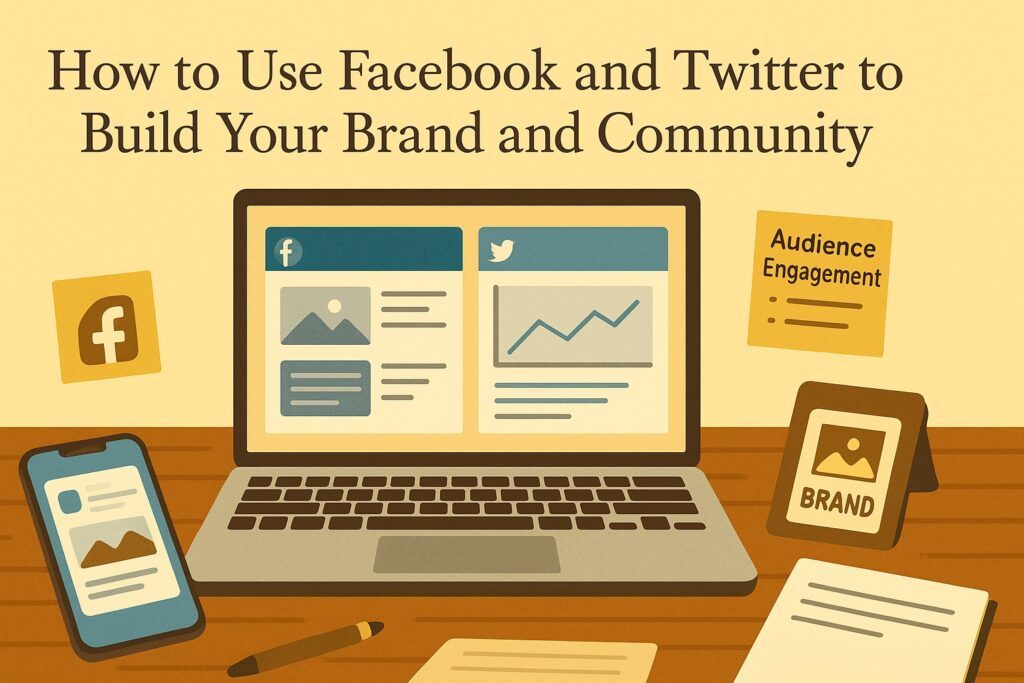
Learn How To Use Facebook And Twitter To Build Your Brand And Community Today!
TL; DR
You can use Facebook and Twitter to build your brand and community by sharing consistent, helpful content and joining real conversations with your ideal audience. On Facebook, use pages and groups to post updates, videos, and discussions that invite comments. On Twitter, share short messages, threads, and replies that show your expertise and personality. Clear branding, regular posting, and genuine interaction help turn followers into a loyal community that supports your work and buys from you.
FAQs
1. Why should I use both Facebook and Twitter for my brand?
Each platform reaches people in a different way. Facebook is good for longer posts, groups, and events. Twitter is better for quick updates, news, and direct conversations.
2. How do I set up my profiles for branding?
Use the same photo, logo, and colors on both platforms. Write clear bios that say who you help and how you help them. Add a link to your website or main offer.
3. What kind of content should I post on Facebook?
Share tips, stories, live videos, behind the scenes updates, and questions that invite comments. Use Facebook groups or your page to host discussions and share more detailed posts.
4. What kind of content works best on Twitter?
Short tips, questions, quotes, quick updates, and threads that teach something or share a story. Reply to others, join relevant hashtags, and retweet useful posts with your own comment.
5. How often should I post on Facebook and Twitter?
Aim for at least a few posts per week on Facebook and several tweets per week or per day on Twitter. Choose a schedule you can keep and stay consistent.
6. How can I grow my audience without spamming people?
Follow and interact with people in your niche, join relevant groups and hashtag chats, answer questions, and share useful content more often than you promote offers.
7. How do I turn followers into a real community?
Ask questions, respond to comments, mention people by name, and celebrate their wins. Run small challenges, polls, or live sessions that invite people to join and share.
8. Can Facebook and Twitter really bring traffic and sales?
Yes. Share links to your blog posts, landing pages, and products along with clear calls to action. Over time, loyal followers click more, join your email list, and buy from you.
9. How do I handle negative comments or trolls?
Stay calm and polite. Answer honest criticism with facts and care. If someone only attacks or insults, you can mute, block, or ignore them according to your page rules.
10. How do I know if my efforts are working?
Track likes, comments, shares, link clicks, and website traffic from Facebook and Twitter. Over time you should see more engagement, email signups, and sales linked to your posts.
Introduction
Facebook and Twitter give you something very powerful: a direct line to the people you want to serve. Used well, they help you tell your story, listen to your audience, and turn followers into a real community around your brand. Used poorly, they become noisy, time-consuming platforms that give very little in return.
To get real value from Facebook and Twitter, you need a clear plan, consistent execution, and content that actually matters to your audience. This article walks you through the main benefits, how to design a simple social media strategy, and practical tips for using both platforms to grow your brand and community.
Benefits of Using Facebook and Twitter for Marketing
- Reach
Facebook has billions of active users worldwide. Twitter has hundreds of millions of users who are used to real-time conversation and news. Together, they give you access to:
• A very large potential audience
• Different age groups and interests
• People across countries and cultures
You do not need everyone. You only need the right people. These platforms give you a chance to find them and help them find you.
- Engagement
Facebook and Twitter are built for interaction. People can:
• Like, comment, share, and retweet
• Mention your brand and ask questions
• Join live streams, polls, and events
• Send direct messages for support
You can use this to:
• Answer questions and solve problems
• Listen to complaints early before they grow
• Test ideas quickly and get instant feedback
• Build a two-way relationship, not just broadcast messages
- Awareness
Your posts and tweets can show:
• What your brand stands for
• How your product or service helps people
• Your values, mission, and personality
• Your expertise in your field
Over time, this builds recognition and trust. People start to associate your name with specific ideas, solutions, or feelings.
- Traffic
Facebook and Twitter are strong traffic sources when you use links wisely. You can send people to:
• Blog posts and articles
• Product pages and offers
• Opt-in pages and newsletters
• Events, webinars, and courses
Every good post can act like a small door that leads people back to your main online home.
- Conversion
With the right strategy, both platforms can support sales and lead generation. You can:
• Run targeted ads to specific audiences
• Promote time-limited offers or launches
• Use retargeting to reach people who visited your website
• Showcase products and services in posts, threads, and carousels
The key is to treat social media as part of a larger system, not a separate world.
How to Create a Social Media Strategy
Without a strategy, you will post randomly and get random results. A simple strategy for Facebook and Twitter should cover your goals, your audience, your content, and your measurement.
- Define your goals
Decide what success looks like for you. For example:
• Increase brand awareness in a specific region
• Grow your email list
• Generate leads for a service
• Drive sales for a product
• Build authority in your niche
Make your goals specific and measurable. For instance:
• Grow Facebook followers by 15 percent in six months
• Get 300 clicks per month from Twitter to your website
• Generate 50 qualified leads per month from Facebook ads
- Identify your target audience
Be clear about who you want to reach. Ask:
• Who are they? (age, location, profession)
• What do they care about?
• What problems do they face that you can solve?
• What language and tone do they respond to?
• When are they usually online?
Use any data you already have from your website or existing social accounts. If you are starting from zero, think about your ideal customer and write a simple profile for them.
- Study your competitors
Look at brands or individuals in the same space:
• What do they post on Facebook and Twitter?
• How often do they post?
• What seems to get the most engagement?
• Where are the gaps that you could fill?
You are not copying them. You are learning what the audience already responds to and where you can be different.
- Create a content plan
Decide in advance:
• What you will talk about
• How often you will post
• What formats you will use
A simple content mix might include:
• Educational posts (tips, how-tos, quick lessons)
• Story posts (behind the scenes, journey, customer stories)
• Promotional posts (offers, launches, products, services)
• Community posts (questions, polls, conversations)
Plan your content weekly or monthly so you are not improvising every day.
- Implement your content strategy
Now you move from planning to doing:
• Create your content in batches if possible
• Adapt the same core idea for both platforms, but adjust the format
– Facebook: longer posts, images, video, live sessions, groups
– Twitter: shorter posts, threads, quick replies, real-time reactions
• Schedule posts at times when your audience is most active
• Leave room for timely or spontaneous updates when relevant news or events arise
- Measure and analyze your results
Regularly review your performance:
• Which posts reached the most people?
• Which posts had the most engagement?
• Which posts sent the most traffic to your website?
• Which campaigns or posts led to leads or sales?
Look for patterns. Do not chase one viral post. Aim for steady improvement in the types of content that bring you closer to your main goals.
Tips and Examples of Effective Facebook and Twitter Marketing
- Use a consistent brand identity
Your profiles should clearly reflect who you are and what you stand for. Check:
• Profile picture: usually your logo or a clear professional photo
• Cover image or header: visually shows your brand message or key offer
• Bio: short, clear description of what you do and who you help
• Links: make sure your main website or landing page is easy to find
Keep your tone of voice and visual style similar on both platforms so people recognize you immediately.
- Optimize for search and discovery
Make it easy for people to find you:
• Include relevant keywords in your bio and descriptions
• Use clear, descriptive text in your posts
• Add sensible hashtags on Twitter and, where appropriate, on Facebook
• Use descriptive file names and alt text for images where possible
You are not writing only for algorithms. You are also helping real people understand quickly what you offer.
- Create content that actually serves your audience
Ask yourself before posting: “Does this help my audience in some way?” Good content usually does at least one of these:
• Teaches something useful
• Answers a common question
• Solves a small problem
• Encourages or inspires
• Makes people smile or feel seen
Examples of content types:
• Short tips and checklists
• Simple how-to threads or step-by-step posts
• Short videos or clips demonstrating a process
• Stories about customers, projects, or lessons learned
• Screenshots and visuals that explain concepts
- Encourage interaction deliberately
Do not wait for people to talk to you. Invite them to:
• Answer a question
• Vote in a poll
• Share their experience under a post
• Tag a friend who would benefit from a resource
Always respond to comments where possible:
• Thank people for positive feedback
• Answer questions clearly and politely
• Acknowledge criticism, fix mistakes, and stay calm
This shows that there are real people behind the brand and that you value your community.
- Use social proof to build trust
People trust other people more than they trust brands. Show that others already believe in you by sharing:
• Short testimonials from clients or customers
• Screenshots of positive messages or reviews (with permission)
• Case studies and success stories
• Milestones such as “1,000 customers served” or “10 years in business”
• User-generated content, such as photos of customers using your product
You can pin strong social proof posts to the top of your Facebook Page or Twitter profile so new visitors see them first.
- Use paid promotion carefully and strategically
Ads can help you grow faster when you already know:
• Who your audience is
• What message resonates with them
• Which offer converts
Start with small, focused campaigns, for example:
• Promoting a lead magnet (a free guide, checklist, or mini course)
• Retargeting people who visited your website but did not convert
• Boosting posts that already perform well organically
Track your cost per click, cost per lead, and, if possible, cost per sale. Stop what does not work and reinvest in what does.
- Focus on long-term relationships, not short-term numbers
Follower counts are less important than real connections. Aim for:
• Consistent posting over time
• Helpful answers in comments and direct messages
• Honesty when things go wrong
• Respectful conversation, even with critics
Over time, this builds a loyal group of people who trust you and are happy to recommend you to others.
Conclusion
Facebook and Twitter can be noisy places, but with a clear strategy they become powerful tools for building your brand and community.
By:
• Understanding the strengths of each platform
• Setting clear goals and knowing your audience
• Planning and creating content that serves real needs
• Encouraging interaction and showing social proof
• Measuring results and adjusting your approach
you can turn casual followers into an engaged community that supports your work and grows with you.
Start small. Update your profiles, define one clear goal, and plan your posts for the coming week. Then keep learning from what you see. Over time, your presence on Facebook and Twitter can become a strong, steady asset for your brand.