
TL;DR:
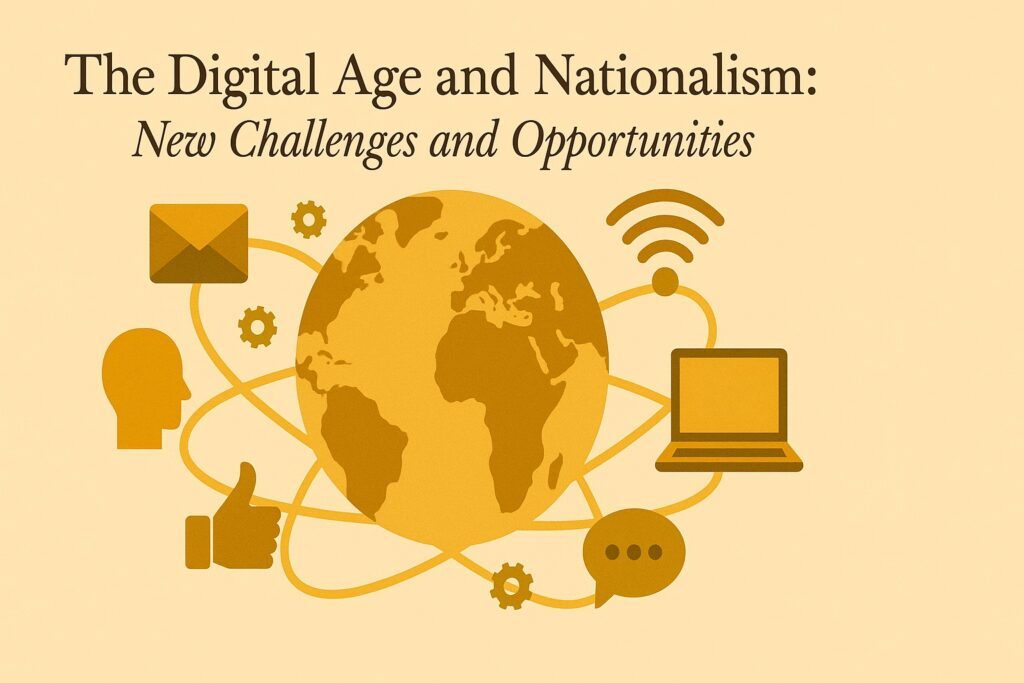
The internet has redrawn national borders without moving a single line. In this digital age, nationalism faces new tests—echo chambers, misinformation, and identity wars. Yet it also opens doors for dialogue, innovation, and cross-cultural understanding. The challenge is learning to stay rooted in identity while thinking globally.
The rapid progression of the digital age has undeniably transformed every facet of our lives, from communication to commerce, politics to personal identity.
As someone deeply invested in understanding the dynamics of globalization, I find it fascinating how the digital age intersects with nationalism—a force that, on the surface, seems to run counter to the interconnected ethos of modern technology.
This intersection presents both challenges and opportunities that are shaping our world in profound ways.
FAQs: Digital Age and Nationalism
1. How has the digital age changed nationalism?
It’s made nationalism more visible and interactive, amplifying both patriotic pride and political polarization online.
2. What challenges does digital nationalism create?
Online echo chambers, misinformation, and cyber propaganda can distort truth and intensify divisions among nations.
3. Can the internet promote positive nationalism?
Yes. When used wisely, digital platforms can strengthen cultural identity and foster unity through shared values and dialogue.
4. How do social media platforms influence national identity?
They shape perceptions by giving everyone a voice—but also blur facts with opinions, impacting how people view their nation and others.
5. What’s the future of nationalism in the digital era?
It depends on balance—embracing global connectivity while protecting cultural integrity and ethical digital citizenship.
Understanding Nationalism in the Digital Context
Nationalism, in its simplest form, is the advocacy for the interests of one’s nation, often manifesting as pride in cultural, historical, and political identity. Traditionally, nationalism has relied on physical borders and shared communal experiences, such as festivals or rituals. However, the digital age has transcended these limitations, bringing nationalism into the virtual realm. Online platforms have enabled the rapid dissemination of nationalist ideologies, uniting communities across geographies while simultaneously challenging the cohesiveness of global narratives.
Digital tools, such as social media, blogs, and forums, have given rise to what some scholars call “digital nationalism.” This phenomenon allows individuals to express and share nationalist sentiments in ways that were previously impossible. For example, I’ve observed how platforms like Twitter and TikTok serve as stages for people to celebrate their national identity through language, traditional music, or history. Yet, these same platforms can also amplify exclusionary or divisive narratives, making the digital age a double-edged sword for nationalism.

Challenges of Nationalism in the Digital Age
1. Echo Chambers and Polarization
One of the most concerning challenges is the rise of echo chambers. Algorithms designed to enhance user engagement often prioritize content aligned with a user’s existing beliefs. As I navigate platforms like Facebook or YouTube, it becomes evident how these algorithms can create insular communities. When applied to nationalism, such echo chambers amplify homogenous perspectives, leading to increased polarization and a heightened “us versus them” mentality.
For instance, during geopolitical conflicts, I’ve noticed that online nationalist movements often descend into hostility, with misinformation and propaganda fueling animosities. The digital space becomes a battleground where opposing nationalistic narratives clash, sometimes escalating real-world tensions.
2. Cyber Sovereignty and Digital Borders
Another challenge lies in the concept of cyber sovereignty—the idea that nations should control digital spaces within their territories. While this approach aligns with nationalist ideals of sovereignty, it also fragments the internet. Countries such as China and Russia have implemented stringent controls over digital content, creating “digital borders.” While these measures aim to protect national interests, I’ve observed how they also hinder global collaboration and innovation.
Moreover, such restrictions often lead to censorship and surveillance, raising concerns about human rights and freedom of expression. These actions complicate the balance between preserving national identity and embracing the openness that the digital age promises.
You might also like: The Ultimate Guide to Political Journalism: Ethics, Challenges, and Impact in the Modern World
3. Misinformation and Manipulation
Misinformation campaigns and digital manipulation have become key tools in promoting extremist nationalist agendas. I’ve read studies revealing how state and non-state actors leverage bots, deepfakes, and fake news to sway public opinion. During elections or major international events, nationalist rhetoric is often weaponized online, further eroding trust in institutions and media.
4. Loss of Local Cultures
Ironically, while digital tools can celebrate nationalism, they can also contribute to the homogenization of cultures. I’ve seen how global platforms prioritize dominant languages and trends, sometimes overshadowing smaller, local cultures. This digital hegemony poses a threat to the diversity that nationalism seeks to protect.

Opportunities for Nationalism in the Digital Age
Despite these challenges, the digital age offers unparalleled opportunities for fostering inclusive and constructive nationalism.
1. Digital Storytelling and Cultural Preservation
One of the most inspiring aspects of the digital age is its potential for cultural preservation. I’ve come across countless examples of communities using digital platforms to archive and share their heritage. Indigenous groups, for example, are leveraging social media and websites to document their languages, traditions, and stories, ensuring they are passed on to future generations.
In my own experience, exploring digital archives or online exhibits allows me to appreciate the rich diversity of global cultures. This access fosters a sense of shared humanity while enabling nations to take pride in their unique histories.
2. Global Advocacy for Local Issues
Digital platforms have enabled nations and communities to raise awareness about local issues on a global stage. I’ve followed movements like #FridaysForFuture, where young activists worldwide highlight environmental concerns specific to their countries. These platforms amplify local voices, transforming nationalism into a tool for global advocacy.
3. Cross-Border Collaboration
While nationalism often emphasizes distinct identities, the digital age also fosters collaboration across borders. For example, diasporic communities use digital tools to maintain ties with their homelands, contributing to cultural and economic exchange. As someone who’s interacted with members of various diasporas, I’ve seen how these digital connections enrich both the host and home countries.
4. Strengthening Civic Engagement
The digital age has redefined civic engagement, providing tools for citizens to participate more actively in national development. From e-governance platforms to online petitions, digital tools empower individuals to hold their governments accountable. In my country, for instance, I’ve seen how social media campaigns can pressure policymakers to address pressing issues.
5. Education and Awareness
Finally, the digital age offers unparalleled opportunities for education. Online courses, virtual museums, and interactive platforms allow people to learn about their national history and culture in engaging ways. When I’ve participated in such initiatives, it’s clear how they cultivate informed and empathetic citizens who value both their national identity and the broader global context.

Balancing Nationalism and Globalization
As I reflect on the interplay between nationalism and the digital age, it’s evident that finding a balance between national identity and global interconnectedness is crucial. The digital age should not be seen as a threat to nationalism but as an opportunity to redefine it in inclusive and progressive terms. By leveraging technology responsibly, nations can preserve their unique identities while contributing to global progress.
You might also like: The Ultimate Guide to Political Journalism: Ethics, Challenges, and Impact in the Modern World
Governments, tech companies, and civil societies all have roles to play in achieving this balance. From implementing fair regulations to fostering digital literacy, collaborative efforts are essential in navigating these challenges and opportunities.
Conclusion
The digital age and nationalism are two powerful forces that, when harnessed thoughtfully, can complement rather than conflict with each other. While challenges such as polarization, misinformation, and cultural homogenization exist, the opportunities for cultural preservation, civic engagement, and global advocacy are immense. By embracing the digital age’s potential, we can shape a world where nationalism fosters pride and unity without undermining the interconnected fabric of humanity.
References
Anderson, B. (2006). Imagined Communities: Reflections on the Origin and Spread of Nationalism. Verso Books.
Castells, M. (2010). The Rise of the Network Society: The Information Age: Economy, Society, and Culture (Vol. 1). Wiley-Blackwell.
Fukuyama, F. (2018). Identity: The Demand for Dignity and the Politics of Resentment. Farrar, Straus, and Giroux.
Sunstein, C. R. (2018). #Republic: Divided Democracy in the Age of Social Media. Princeton University Press.
Tworek, H. J. S. (2019). News from Germany: The Competition to Control World Communications, 1900–1945. Harvard University Press.
Zuboff, S. (2019). The Age of Surveillance Capitalism: The Fight for a Human Future at the New Frontier of Power. PublicAffairs.


The connection your article is drawing between our online interactions and a new kind of national identity is really thought-provoking. Your point about social media algorithms creating digital “borders” that group people by belief rather than geography is a sharp observation for how nationalism evolves today. It is a different kind of map being drawn.
Actually, in business, there is a segmentation process called “lifestyle segmentation.” Instead of demographic or socio-demographic or even geographical segmentation, Lifestyle segmentation crosses the borders of age, economic status, and geography. This kind of segmentation is not famous, because it is expensive to monitor. But if a company wants to know their market well, is using this kind of segmentation, which we used to call “attitudinal segmentation.”
It is interesting to consider that while this digital landscape presents challenges, it could also reframe nationalism as something more about shared cultural projects and common goals online, rather than just physical territory. That shift might open different kinds of conversations.
When you discuss how governments now engage with citizens directly on digital platforms, what do you see as the biggest difference between that and traditional state-run media?
Hi The Investor, thank you for the lifestyle or attitudinal segmentation point. It fits perfectly with how algorithms group people by beliefs and habits, not geography.
Biggest difference: state-run media is mostly one-way broadcasting with tight gatekeeping and one message for everyone. Digital platforms are two-way, immediate, and public. Citizens reply in real time, and governments must compete for attention while also targeting different groups with different messages.