
TL;DR:
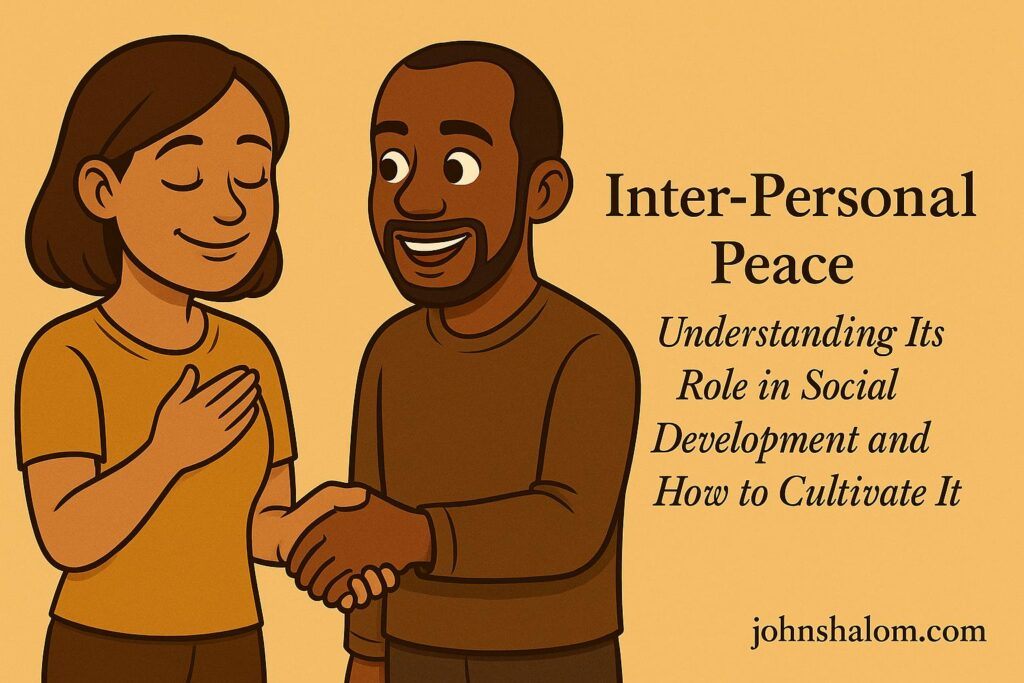
Interpersonal peace begins with how we treat each other. It’s built on respect, empathy, and communication. When people live peacefully with one another, families, communities, and nations thrive. Lasting social progress starts with small acts of understanding and forgiveness.
Introduction
In a world where conflicts seem inevitable, understanding and nurturing inter-personal peace is crucial for social harmony, personal well-being, and the development of healthier communities.
Whether in families, workplaces, friendships, or even among strangers, fostering peaceful interactions helps in building stronger relationships, reducing stress, and creating a more compassionate society.
This article will explore the concept of inter-personal peace, its significance in personal and social development, practical ways to cultivate it, and the long-term benefits of prioritizing peace in our interactions.
FAQs: Interpersonal Peace and Social Growth
1. What is interpersonal peace?
It’s the harmony that exists between individuals when there is mutual respect, empathy, and effective communication.
2. Why is interpersonal peace important for society?
It reduces conflict, promotes collaboration, and builds trust—key elements of social stability and progress.
3. How can individuals cultivate interpersonal peace?
By practicing active listening, controlling anger, showing kindness, and resolving misunderstandings peacefully.
4. What are common barriers to interpersonal peace?
Pride, miscommunication, prejudice, and unresolved emotions often create distance and division between people.
5. How does interpersonal peace drive social development?
It encourages cooperation, shared goals, and unity—allowing communities to grow stronger through harmony and understanding.
What Is Inter-Personal Peace?
Inter-personal peace refers to the state of harmony and mutual understanding between individuals. It is the absence of conflict, hostility, and resentment in relationships. This peace can exist between two people, within families, in social groups, or even at a national and international level.
To clarify further, let’s differentiate between intra-personal peace and inter-personal peace:
- Intra-personal peace: This is peace within oneself. It involves self-acceptance, emotional stability, and inner tranquility. People who achieve intra-personal peace are more likely to foster inter-personal peace with others.
- Inter-personal peace: This involves maintaining a harmonious relationship with others, characterized by mutual respect, empathy, effective communication, and conflict resolution.
Understanding these two types of peace is essential because they are deeply interconnected. A person who has inner peace can extend it to others, reducing the likelihood of conflicts in daily interactions.
Why Is Inter-Personal Peace Important?
The impact of inter-personal peace extends beyond individuals; it influences communities and even entire societies. Here’s why it matters:
- Enhances Mental and Emotional Well-Being
- Living in a constant state of conflict can lead to anxiety, depression, and chronic stress. Peaceful relationships contribute to emotional security and overall happiness.
- Strengthens Family and Social Bonds
- Families that prioritize peaceful communication experience less conflict and more emotional connection.
- Friendships and romantic relationships thrive when both parties feel heard, valued, and respected.
- Boosts Productivity and Workplace Harmony
- Work environments with inter-personal peace encourage collaboration, creativity, and efficiency.
- Employees who work in a peaceful environment are more engaged and productive compared to those in toxic workplaces.
- Encourages Conflict Resolution and Problem-Solving
- A society that values dialogue and nonviolent communication is better equipped to resolve disputes without resorting to violence.
- Countries with peaceful interpersonal relationships among citizens often experience lower crime rates and political stability.
- Promotes Personal Growth and Self-Improvement
- Engaging in peaceful interactions teaches patience, active listening, and emotional intelligence.
- People who value peace tend to make better decisions, have higher self-awareness, and inspire positive change in others.
How to Cultivate Inter-Personal Peace
Creating and maintaining inter-personal peace requires intentional efforts. Here are some practical ways to achieve it:
1. Practice Effective Communication
- Communication is the foundation of understanding and resolving conflicts.
- Use active listening skills, avoid interrupting, and show empathy when speaking with others.
- Be mindful of tone, body language, and word choice.
- Seek to understand rather than to be understood.
2. Develop Emotional Intelligence
- Emotional intelligence involves recognizing and managing your emotions as well as understanding others’.
- People with high emotional intelligence handle conflicts more gracefully and build stronger relationships.
3. Let Go of Grudges and Resentment
- Holding onto anger harms your mental well-being and hinders peace in relationships.
- Practice forgiveness – not necessarily for others, but for your own peace of mind.
4. Set Healthy Boundaries
- Boundaries help prevent misunderstandings and resentment.
- They ensure that your needs and limits are respected while respecting those of others.
5. Avoid Negative Assumptions and Judgment
- Misunderstandings often arise from wrong assumptions and judgments.
- Instead of assuming negative intent, ask for clarification and seek mutual understanding.
You might also like: The Self-Help Roadmap: Proven Strategies for Personal Growth and Healing
6. Address Conflicts Proactively
- Avoiding conflicts doesn’t resolve them – it only postpones bigger issues.
- Address disputes respectfully and seek solutions that work for both parties.
7. Cultivate Inner Peace
- Engage in self-care activities like meditation, journaling, or mindfulness.
- A peaceful mind promotes calm, rational decision-making and positive interactions.
8. Lead by Example
- If you value peace, demonstrate it in your actions.
- Model respectful behavior, patience, and kindness in your relationships.
Overcoming Challenges in Maintaining Inter-Personal Peace
While striving for peace in relationships, you may face obstacles such as:
- Toxic People: Some individuals thrive on conflict. Limit interactions and set firm boundaries.
- Cultural and Personal Differences: Understanding and respecting diverse perspectives fosters better relationships.
- Stress and Emotional Triggers: Managing your emotions prevents unnecessary conflicts.
- External Pressures: Societal, work-related, or family stress can disrupt peaceful interactions. Prioritizing self-care can help maintain balance.
The Role of Inter-Personal Peace in Social Development
Peaceful relationships at an individual level contribute to broader social harmony. Here’s how:
- Reduces Violence: Societies that promote inter-personal peace experience lower crime rates and community tensions.
- Encourages Cooperation: Peace fosters collaboration in families, workplaces, and governments.
- Creates Safe Environments for Children: Children raised in peaceful homes develop better social skills and emotional resilience.
- Inspires Global Change: The ripple effect of inter-personal peace can lead to national and even international stability.
Conclusion
Inter-personal peace is a vital component of a healthy and fulfilling life. It enhances personal happiness, strengthens relationships, and contributes to a more harmonious society. Achieving peace requires self-awareness, emotional intelligence, and a commitment to positive communication.
By fostering peace in our relationships, we not only improve our own well-being but also contribute to a more compassionate and understanding world. Let’s take responsibility for our actions and strive for peace – one relationship at a time.
Do you have thoughts or personal experiences on inter-personal peace? Share them in the comments below. Let’s learn and grow together!

