
Summarize this article with AI
TL;DR:
Nationalism can be a spark for unity or division. These reflections show how, when guided by justice and vision, it becomes a force for positive change. Social movements rooted in shared identity remind us that love for one’s nation should lead to service, equality, and hope for all who belong to it.
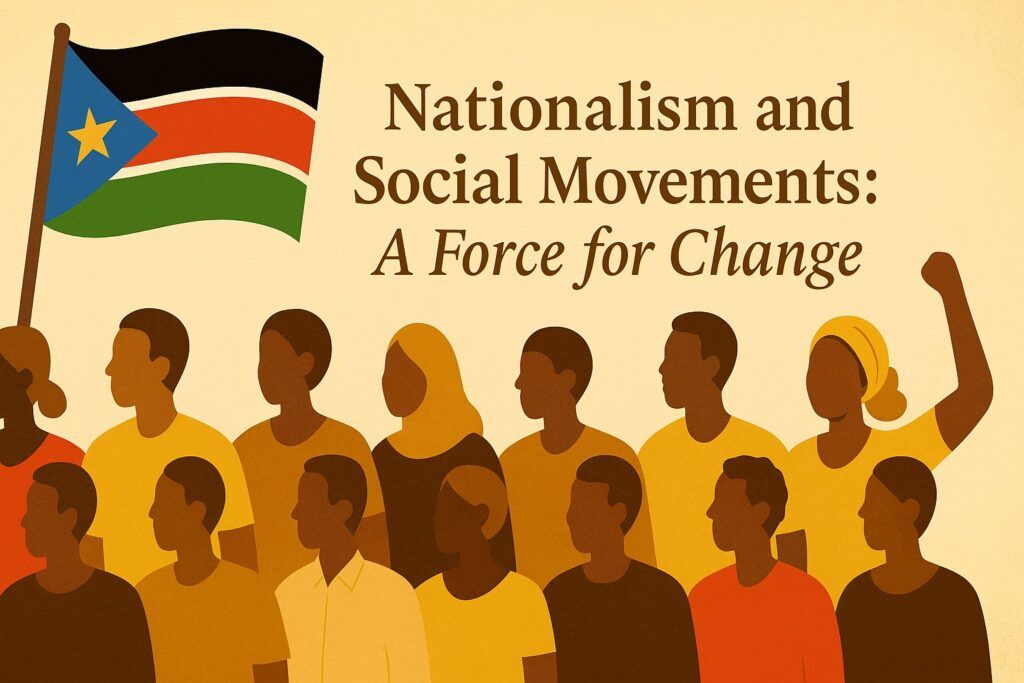
Nationalism and social movements have always been intertwined, fueling powerful shifts in societal structures and fostering moments of profound transformation.
As I reflect on this interplay, I am struck by how both forces, though distinct, often converge to challenge the status quo, shape collective identities, and inspire action.
Understanding Nationalism and Its Role in Society
Nationalism, at its core, is a belief in the primacy of a nation and its collective identity. This sentiment often arises during times of political or cultural upheaval, when a shared sense of belonging and purpose becomes critical for uniting people. In many ways, nationalism acts as a double-edged sword. While it can promote solidarity and self-determination, it also has the potential to exclude or marginalize those who do not fit a prescribed national identity.
Historically, nationalism has served as both a rallying cry for liberation and a justification for oppression. For instance, the decolonization movements of the 20th century were driven by nationalist ideals. Colonized populations in Asia, Africa, and the Americas used nationalist rhetoric to resist imperial rule, emphasizing self-rule and cultural sovereignty. On the other hand, exclusionary nationalism has led to significant atrocities, as seen in the rise of fascist regimes during World War II.

FAQs: Nationalism and Social Movements — A Force for Change
1. What is the relationship between nationalism and social movements?
Nationalism and social movements are deeply connected because both center on identity and belonging. While nationalism emphasizes pride in one’s nation or people, social movements use that shared identity to mobilize citizens for political or social change.
2. Can nationalism inspire positive social transformation?
Yes, when rooted in justice, equality, and shared purpose, nationalism can unite people for good causes like independence, reform, and peacebuilding. It becomes dangerous only when pride turns into exclusion or hatred.
3. How have social movements used nationalism throughout history?
From independence struggles in Africa and Asia to civil rights movements around the world, many groups have invoked national identity to demand dignity, freedom, and equality. Nationalism often provides the moral language for resistance.
4. What are the risks of mixing nationalism with activism?
The main risk lies in extremism. When nationalism becomes self-centered, it can overshadow inclusivity, leading to division and violence instead of progress. A healthy movement balances pride with empathy and global awareness.
5. How can modern societies channel nationalism for positive change?
By redefining nationalism as love in action. Governments, educators, and communities can promote civic responsibility, cultural pride, and solidarity while rejecting prejudice. True patriotism serves humanity, not just borders.
Social Movements: Catalysts for Change
Social movements, on the other hand, are organized efforts by groups of people to promote or resist change in society. These movements often arise from a sense of injustice or a desire to challenge existing power structures. What strikes me most about social movements is their ability to galvanize people from diverse backgrounds, creating coalitions that transcend individual differences in pursuit of a common goal.
You might also like: The Ultimate Guide to Political Journalism: Ethics, Challenges, and Impact in the Modern World
Movements such as the civil rights movement in the United States or the women’s suffrage movement highlight the transformative power of collective action. These movements have leveraged various tactics—from peaceful protests and civil disobedience to legal challenges and lobbying—to achieve their objectives. What makes social movements so effective is their ability to amplify voices that might otherwise go unheard, forcing societies to confront uncomfortable truths.
The Intersection of Nationalism and Social Movements
When nationalism and social movements intersect, the results can be revolutionary. I find it fascinating how nationalist sentiments often provide the emotional and ideological foundation for social movements, particularly those seeking independence or systemic change. Consider the Indian independence movement led by Mahatma Gandhi. Rooted in nationalist ideals, this movement not only sought freedom from British rule but also aimed to redefine what it meant to be Indian, emphasizing nonviolence and self-reliance.
Similarly, the anti-apartheid movement in South Africa demonstrates how nationalism can align with broader social justice goals. Nelson Mandela and his allies used the language of national unity to rally diverse groups against a system of racial segregation and oppression. Here, nationalism acted as a unifying force, transcending ethnic and linguistic divides to create a shared vision of a democratic South Africa.
You might also like: The Complete Guide to Theology: Faith, Reason, and Modern Interpretations
However, the relationship between nationalism and social movements is not always harmonious. In some cases, nationalist movements can overshadow or even suppress other social causes. For example, feminist movements in post-independence nations often struggled to gain traction as nationalist leaders prioritized nation-building over gender equality. This tension underscores the complexity of aligning multiple agendas within a single movement.
Nationalism in the Digital Age
In today’s interconnected world, nationalism and social movements are being reshaped by technology. Social media platforms have become powerful tools for mobilization, enabling activists to reach global audiences with unprecedented speed. As I observe the rise of digital nationalism, I am both inspired and concerned. On one hand, technology has empowered grassroots movements, allowing marginalized voices to challenge dominant narratives. On the other hand, the internet has also facilitated the spread of exclusionary nationalism, with online echo chambers amplifying divisive rhetoric.
Movements like the Arab Spring illustrate the potential of digital tools to drive political change. These uprisings, which began in 2010, were fueled by social media, as activists used platforms like Facebook and Twitter to organize protests and share their stories with the world. Nationalist sentiments played a significant role in these movements, as people demanded greater sovereignty and freedom from oppressive regimes.
Yet, the digital age also presents challenges. The rise of misinformation and propaganda can distort nationalist ideals, turning them into tools for manipulation rather than liberation. This duality reminds me of the responsibility we all share in critically engaging with information and fostering constructive dialogue.
Lessons from History and Implications for the Future
Reflecting on the history of nationalism and social movements, I am struck by their enduring relevance. From the French Revolution to the Black Lives Matter movement, these forces have consistently shaped the course of history. However, their impact depends on how they are harnessed. Inclusive nationalism, which embraces diversity and promotes equality, can serve as a powerful catalyst for positive change. Conversely, exclusionary nationalism risks deepening societal divisions and perpetuating cycles of conflict.
As we navigate the complexities of the 21st century, I believe we must strive to balance these forces thoughtfully. Social movements must remain vigilant against co-optation by narrow nationalist agendas, while nationalist movements should prioritize inclusivity and justice. Education and critical thinking are key to achieving this balance, enabling individuals to engage with these forces in ways that promote unity rather than division.
Conclusion
Nationalism and social movements are undeniably potent forces for change. Their ability to inspire action and reshape societies is a testament to the power of collective identity and purpose. However, with great power comes great responsibility.
You might also like: The Complete Guide to Theology: Faith, Reason, and Modern Interpretations
As I reflect on their impact, I am reminded of the importance of using these forces wisely, ensuring that they contribute to a more just and equitable world. By fostering dialogue, embracing diversity, and advocating for inclusive policies, we can harness the transformative potential of nationalism and social movements to create a brighter future.
References
Anderson, B. (1983). Imagined communities: Reflections on the origin and spread of nationalism. Verso.
Castells, M. (2012). Networks of outrage and hope: Social movements in the Internet age. Polity Press.
Gellner, E. (1983). Nations and nationalism. Cornell University Press.
Mamdani, M. (1996). Citizen and subject: Contemporary Africa and the legacy of late colonialism. Princeton University Press.
Tarrow, S. (2011). Power in movement: Social movements and contentious politics. Cambridge University Press.
Zinn, H. (1995). A people’s history of the United States. HarperCollins.
This was such a compelling and insightful exploration of how nationalism and social movements intertwine in the digital age. I love how you connected historical revolutions to modern ones like the Arab Spring and Black Lives Matter. It really highlights the evolving yet cyclical nature of collective action. Your point about inclusive nationalism being a force for unity rather than division truly resonated with me. It’s a timely reminder of our shared responsibility in shaping narratives online. Do you think social media today still has the same power to inspire genuine change, or has misinformation weakened its impact over time?
Thank you, Kavitha. I’m glad that part resonated with you. The digital age still holds immense power to spark real change, but I think the landscape has shifted. Early on, platforms were fresh ground for truth and connection. Now, with the flood of misinformation and algorithm-driven noise, that spark needs more care to keep burning.
Real impact today comes from intention and authenticity. Movements that stay grounded in truth, empathy, and lived experience still break through the noise. It just takes more effort and discernment to separate light from glare.
As an African proverb says, “Even the best cooking pot will not produce food.” The tool is powerful, but it’s how we use it that feeds the world.
John
Hey John,
Great article! I agree with you especially on the topic of The Digital Age. Readers must use their common sense to navigate through all the misinformation that is out there today. With that being said, this is a time like no other in history where we can communicate instantly around the globe and share what is going on in our back yards with anyone in the world. I think this is more positive than negative in most cases. We all do have a responsibility to use common sense and not spread propaganda or bad information.
Thank you, Robin. I couldn’t agree more. The digital age is both a gift and a test; it gives everyone a voice but also challenges us to use it wisely. I like how you framed it as a responsibility—because freedom of speech without discernment can easily become noise instead of knowledge.
It’s true that this instant connectivity lets us share truth faster than ever before, but it also means our values and intentions must guide what we post or believe. When truth travels with integrity, technology becomes a bridge rather than a weapon.
As an African proverb says, “Wisdom is like fire; people take it from others.” May we keep that fire burning with care.
John