
TL; DR
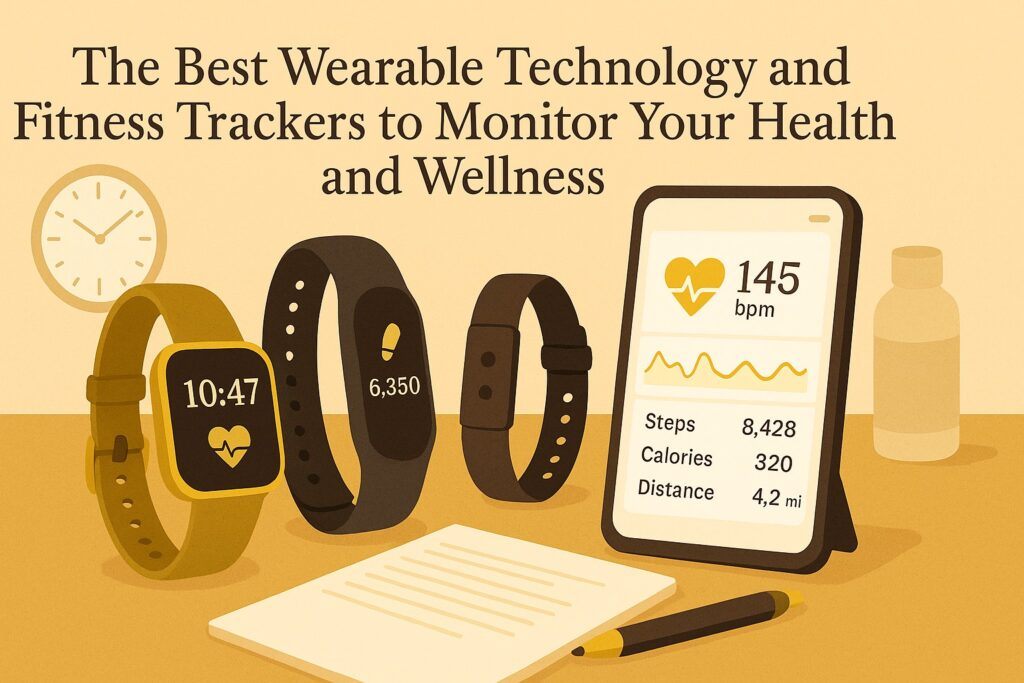
Wearable technology refers to smart devices you wear on your body, such as watches, rings, bands, or chest straps. These tools track things like heart rate, sleep, steps, stress, and energy levels. When used well, they help you understand your body, make better lifestyle choices, and catch health issues early.
For me, this is personal. I grew up along the Sobat River in a world with no hospitals nearby, no blood pressure machines, and no way to track a heartbeat except fear and guesswork. People collapsed suddenly.
Many died young. Today, I look at a simple smartwatch and think: “If we had this back then, how many lives could have been saved?”
Wearables are not magic. They are tools. But when you combine them with discipline, good habits, and professional advice, they can become powerful allies in your journey toward better health and wellness.
FAQs
What is wearable technology in simple terms?
Wearable technology includes smart devices you wear on your body, such as watches, rings, bands, or clothes, that track your health, fitness, and daily activity.
Can wearable devices really improve my health?
Yes. They cannot replace a doctor, but they can help you move more, sleep better, manage stress, and detect early warning signs, if you take their insights seriously.
Which is more important: features or accuracy?
Accuracy is more important for health decisions. Fancy features are useless if the data is unreliable. Look for trusted brands and validated sensors.
Are wearables worth it if I am not an athlete?
Yes. Even if you only walk, work, and sleep, wearables can help you build better daily habits and watch over your heart and rest.
Do I still need a doctor if I use wearables?
Absolutely. Wearables are guides, not doctors. Use their data to start conversations with health professionals, not to replace them.
How do I choose the right wearable?
Match the device to your main goal: heart health, fitness performance, sleep, or general wellness. Then consider comfort, battery life, price, and app quality.
Introduction: From Guesswork to Real-Time Health
When I was a child in the villages along the Sobat River, health was mostly guesswork. We could see when someone was sick, but we could not see what was happening inside their body. We felt a racing heart but had no heart monitor.
We saw someone stop breathing in the night but had no sleep study. Blood pressure existed, but in our minds it was a story from town hospitals, not a real number we could measure.
Today I wear a small device on my wrist or finger, and it quietly tracks what my body is doing every minute. It tells me whether I slept well. It warns me when my heart is working too hard. It shows me when stress is high, even when I pretend I am fine.
That is the power of wearable technology. It turns invisible health into visible data. It takes what was once only in the hands of hospitals and puts it gently on your wrist, chest, or finger.
In this article, we will look at:
- What wearable technology can do for your health and wellness
- Some of the best wearables for heart health
- Some of the best wearables for fitness and performance
- Some of the best wearables for sleep and recovery
- How to choose the right device for your life
- How to use wearables wisely, not obsessively
I will also add some reflections from my own journey, moving from a world without gadgets to one where your body can speak through data.
What Wearable Technology Actually Does
Wearable technology includes devices like:
- Smartwatches
- Fitness trackers
- Smart rings
- Chest straps
- Smart clothing or patches
These devices can measure things such as:
- Heart rate
- Heart rhythm trends
- Steps and distance
- Calories burned
- Sleep duration and stages
- Stress indicators
- Blood oxygen level
- Body temperature trends
For someone who grew up with no clinic nearby, this feels like science fiction. Yet it is now normal in many parts of the world.
The main benefits include:
- Real-time feedback
- Motivation to move and improve
- Early detection of possible issues
- Safer training for athletes
- Better understanding of your own body
But not all wearables are equal. Some are better for heart health, some for athletes, some for sleep. Let us go through a few strong examples.
Best Wearables for Heart Health
Heart health is central to everything. Many of us know someone who died suddenly of “high blood” or “heart problem” without warning. Wearables cannot prevent everything, but they can give you earlier signals.
Two of the best families of devices for heart monitoring are:
- Apple Watch (recent models)
- Fitbit trackers such as Fitbit Charge
Both of these device types:
- Track your heart rate all day
- Warn you if your heart rate is unusually high or low at rest
- Help detect irregular heart rhythms that could signal atrial fibrillation for supported regions
- Track blood oxygen levels on supported models
- Integrate with apps that can share data with your doctor if needed
Apple Watch for Heart Awareness
Apple Watch has become well known for heart-related features, especially in newer models. Among its strengths:
- Continuous heart rate tracking
- High or low heart rate notifications
- Irregular rhythm notifications in supported regions
- ECG capability on supported devices, where available
- Integration with medical apps and health records in some countries
- Fall detection and emergency SOS
The fall detection story is powerful. For older adults or people with heart disease, one serious fall can change everything. If the watch senses a hard fall and you do not respond, it can call for help.
When I think of relatives back home who collapsed in fields or on the way to the market, I cannot help but imagine how different their stories could have been with such a feature.
Fitbit Charge and Similar Devices
Fitbit trackers such as the Charge series focus on:
- 24/7 heart rate monitoring
- Resting heart rate trends
- Blood oxygen variation signals on supported models
- Stress and electrodermal activity readings on some devices
- Health dashboards showing trends in heart rate, breathing rate, and skin temperature
These trends can help you notice when something is off. For example:
- A rising resting heart rate
- Changes in breathing patterns
- Night-time oxygen variation
These do not give a diagnosis. They give you a reason to ask questions earlier. For someone like me who saw too many “sudden” deaths, data like this is a quiet blessing.
Best Wearables for Fitness and Performance
Not everyone is a professional athlete, but many people want to train smarter, avoid injury, and improve their performance. This is where devices like:
- Garmin Forerunner (such as the 265 line)
- Chest straps like Wahoo Tickr X
become powerful tools.
Garmin Forerunner: Your Outdoor Training Partner
Garmin Forerunner devices are built for people who train outdoors. They are popular with runners, cyclists, and triathletes. Many of them offer:
- Accurate GPS tracking for distance, pace, and route
- Heart rate monitoring
- Training load, training effect, and recovery time estimates
- VO2 max and performance metrics
- Workout suggestions based on your recent training
- Safety and incident detection features on supported models
The “body battery” feature on some Garmin models is especially helpful. It estimates your energy level based on heart rate variability, sleep, and stress. That is like having an elder in the village watching you and saying, “Today you should work. Tomorrow you should rest.”
In my life, I learned the hard way what overtraining feels like. Your body is tired, but your ego pushes you to keep going. A device that warns you, “Your recovery is low” can save your health today and your performance tomorrow.
Wahoo Tickr X: The Chest Strap That Stores Your Effort
While wrist devices are convenient, chest straps are still more accurate for heart rate, especially during intense training. The Wahoo Tickr X is an example of a chest strap that:
- Measures heart rate with high accuracy
- Tracks running form metrics like cadence and ground contact time via compatible apps
- Stores workout data even when you are not connected to a phone
- Works with many fitness apps
This matters for people who train in places where phone signal is poor or battery is low. I think of runners in rural areas, or those training in conditions where carrying a smartphone is not ideal. The idea that a small device could track your heart and motion even when you are offline feels like a secret ally.
Best Wearables for Sleep Quality
In the village, we could see when someone looked tired, but we had no numbers for their rest. We only knew that the person was “not sleeping well.” Today, wearables can give you deeper insight into your sleep, which affects your mood, immune system, energy, and long-term health.
Two strong devices in this space are:
- Oura Ring
- Withings ScanWatch
Oura Ring: Small Device, Deep Sleep Insights
The Oura Ring is worn on the finger but tracks a surprising amount of data, such as:
- Sleep duration and stages
- Resting heart rate and heart rate variability
- Body temperature trends
- Respiratory rate
- Activity and recovery balance
It provides a daily readiness score that tells you whether to push hard, go easy, or rest more.
As someone who has lived in seasons of intense stress, I can say this: sometimes you think you are fine, but your body tells another story. A ring that shows, “You slept badly three nights in a row, your resting heart rate is elevated, and your body temperature is off,” can wake you up before burnout or illness hits.
Withings ScanWatch: Blending Classic Watch Looks with Modern Health
Withings ScanWatch looks like a traditional watch but adds:
- Sleep tracking with sleep score
- Heart rate monitoring
- Blood oxygen measurement on supported models
- Detection of possible breathing disturbances
- ECG on compatible versions and in supported regions
For people who like a more traditional style but still want modern health insights, this is a solid option.
The smart wake-up feature on some devices is also powerful. It tries to wake you when you are in a lighter stage of sleep within a set window. This can make the difference between dragging yourself out of bed and starting your day with decent energy.
How to Choose the Right Wearable for You
Not every device is for everyone. Before buying, ask yourself:
- What is my main goal?
- Heart health monitoring
- Fitness performance
- Better sleep
- General wellness
- What is my budget?
- Do I prefer a watch, ring, band, or chest strap?
- How important are design and comfort to me?
- Do I need long battery life or can I charge frequently?
- Which smartphone do I use, and is the device compatible?
- Do I need advanced metrics or just the basics?
If your main concern is heart health, choose a device with:
- Reliable heart rate tracking
- Clear alerts for abnormal patterns
- ECG support where available
- Good integration with health apps
If your focus is performance and training, look for:
- Strong GPS
- Training load and recovery tools
- Support for external sensors
- Durable design
If sleep and recovery are your priority, look for:
- Detailed sleep analysis
- Readiness or recovery scores
- Comfortable form factor for night use
How to Use Wearables Wisely
Owning a wearable is one thing. Using it wisely is another. Here are some practical guidelines.
1. Wear It Consistently
You cannot see trends from one day of use. You need weeks and months to see your patterns.
2. Sync Regularly
Keep the data flowing. Sync your device with its app so you can track long-term trends instead of only daily results.
3. Set Realistic Goals
Do not set a 20,000-step goal if you are currently at 2,000. Start small, build slowly, and respect your body.
4. Use the Data to Ask Better Questions
If your resting heart rate rises suddenly, or your sleep score drops for many nights, do not panic. Instead, ask:
- Am I more stressed?
- Am I sleeping late?
- Am I sick?
- Is it time to speak to a doctor?
5. Do Not Obsess Over Every Number
Data is helpful, but anxiety about every tiny change is harmful. Look for patterns over time, not perfection every day.
6. Remember Where You Came From
When I look at my health app, it reminds me of the days when no such tools existed. I try to use these devices with gratitude and discipline, not fear. For many of us, this technology is a second chance to respect our bodies more than previous generations could.
Conclusion: Turning Data Into Wisdom
Wearable technology and fitness trackers are not just toys for the rich or tools for elite athletes. They are bridges between your body and your awareness. They give your heart, your sleep, your stress, and your movement a voice in numbers and charts.
For someone who grew up in rural South Sudan, where too many people died without knowing what was failing inside them, this feels sacred. If a small ring, watch, or band can help one person take their health seriously earlier, that is already worth it.
However, the real power is not in the device. It is in what you do with the information.
If you:
- Wear it consistently
- Respect the data
- Adjust your habits
- Seek professional advice when needed
then these tools can help you live longer, stronger, and more intentionally.
Your body has been speaking since the day you were born. Wearables just help you hear it clearly. Use that clarity well.

