TL; DR
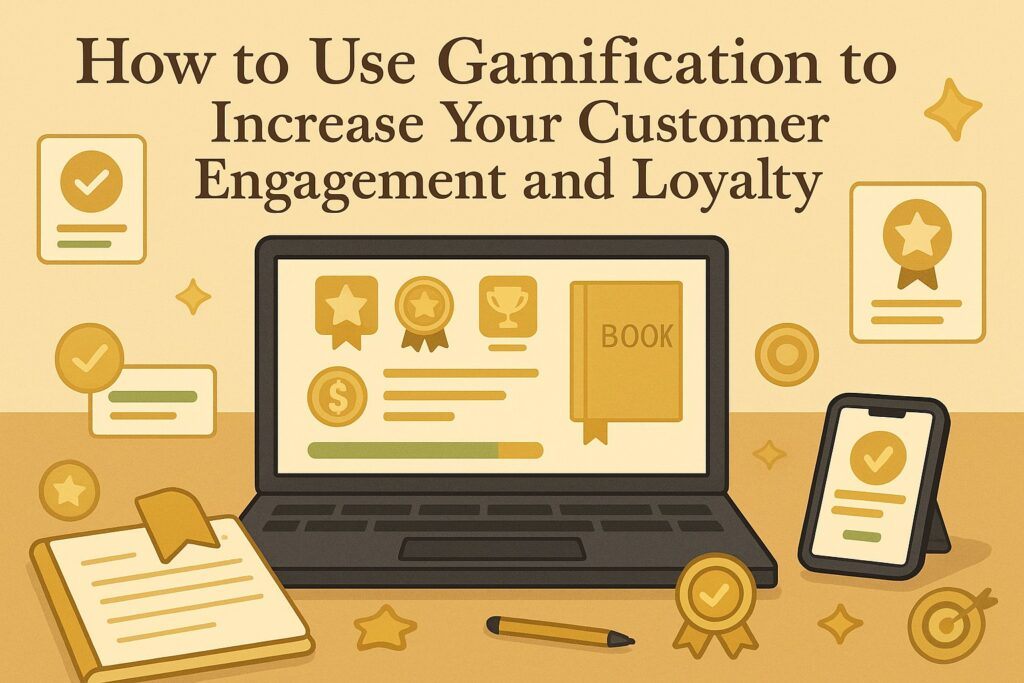
Gamification means adding game-like elements into business activities to make them more fun, rewarding, and motivating. When used well, it increases customer engagement, builds deeper loyalty, and encourages repeat actions through rewards, challenges, social interaction, and personalized experiences.
I grew up in a place where small rewards mattered. A handful of roasted maize after a long day could lift your spirit. A small recognition from elders could push you to work harder the next day.
That same principle works in business: reward people, recognize them, challenge them, and they will stay with you. Gamification simply adds structure to these natural human motivations. When used wisely, it turns customers into a community, and community into loyalty.
FAQs
What is gamification in simple words?
It is using game-like features such as points, levels, rewards, and challenges in non-game settings to increase engagement.
Does gamification really increase customer loyalty?
Yes. When people feel valued, rewarded, and recognized, they naturally return, engage more, and trust your brand.
Is gamification expensive to implement?
It depends. Simple reward systems are affordable. Larger apps may cost more. You can start small.
Which industries use gamification?
Retail, beauty, education, fitness, food delivery, airlines, banks, and even governments. Any business with customers can use it.
What are the most powerful gamification elements?
Rewards, challenges, levels, badges, streaks, leaderboards, personalization, and social interaction.
How do I measure whether my gamification strategy works?
Track metrics related to engagement, loyalty, activity, retention, referrals, or customer lifetime value.
Introduction: The Power of Reward in Human Motivation
Long before I learned the word “gamification,” I lived it. In the villages along the Sobat River, rewards were simple but powerful. When I helped herd cattle or fetched water from far, my mother would smile or give me a little treat. That small gesture made a hard day feel lighter. Recognition gave energy. Reward created connection. And connection built trust.
Gamification is built on this same truth: people respond positively to rewards, challenges, recognition, and community. When businesses understand this, they can create experiences that keep customers coming back again and again.
Gamification means adding game elements to non-game activities—like marketing, customer service, or e-commerce—to make them more fun, rewarding, and motivating. It is a strategy used by the world’s biggest brands because it simply works.
What Is Gamification?
A Simple Breakdown
Gamification adds game-like features to everyday tasks. These can include:
- Points
- Levels
- Badges
- Leaderboards
- Challenges
- Streaks
- Rewards
- Progress bars
When you use these elements in business, customers become more engaged because the experience taps into basic human psychology.
Why Customer Loyalty Matters
Customer loyalty is not only about repeat purchases. It is an emotional connection between a customer and a brand. In South Sudan, we say loyalty shows itself during tough times. A customer who feels appreciated will stay, return, forgive mistakes, and even invite others.
Gamification strengthens this emotional connection by creating experiences that feel rewarding and meaningful.
Benefits of Gamification for Customer Engagement and Loyalty
Rewarding Customers for Their Actions
Rewards are one of the strongest motivators. When customers receive something valuable—points, badges, discounts—they feel recognized.
Examples:
- Points for purchases
- Coupons for referrals
- Badges for completing challenges
- Gift cards for milestones
Rewards activate positive emotions: satisfaction, joy, pride. These emotions strengthen loyalty.
Recognizing Customer Achievements
Recognition is even stronger than reward. In my childhood, being praised by an elder meant more than receiving a gift. It made you feel seen.
Brands can do the same by:
- Showing leaderboards
- Awarding levels
- Sending certificates
- Featuring customer stories
Recognition builds trust, confidence, and community.
Providing Personalized Experiences
Gamification becomes more powerful when personalized.
Businesses can use customer data to:
- Suggest relevant products
- Offer personalized challenges
- Recommend tailored content
- Give custom rewards
When a customer feels understood, their loyalty deepens.
Creating Community and Belonging
People love to belong. Whether in villages, churches, or online communities, humans seek connection.
Gamification builds community through:
- Team challenges
- Group competitions
- In-app chats
- Shared goals
- Social leaderboards
These interactions strengthen both engagement and identity with the brand.
Examples of Gamification in Action
Starbucks Rewards
Starbucks uses stars, challenges, levels, badges, and personalized offers. Customers earn stars per purchase, redeem them for free items, and complete in-app challenges. The result: higher loyalty and daily engagement.
Duolingo
A language-learning app with:
- Streaks
- Levels
- Badges
- Competitive leagues
- Interactive lessons
The streak system alone has made millions stay engaged for years.
Nike Run Club
Nike uses:
- Achievement trophies
- Progress tracking
- Personalized coaching
- Social challenges
It encourages people to stay active while deepening loyalty to the Nike brand.
Domino’s
Domino’s Piece of the Pie Rewards gives customers points for every order. It even lets customers scan pizza boxes—including competitors’ boxes—to earn points. The playful approach boosts both engagement and sales.
Sephora
Sephora’s Beauty Insider program gives points, tier-based rewards, quizzes, and exclusive perks. Higher tiers feel like badges of honor.
McDonald’s Monopoly
This annual campaign lets customers collect game pieces, match properties, and win prizes. It creates excitement, anticipation, and massive sales spikes.
These companies use gamification not because it is trendy but because it produces measurable results.
How to Measure Whether Your Gamification Strategy Works
Step 1: Define Your Goals
Be specific. What do you want to achieve?
Examples:
- Increase repeat purchases
- Boost website activity
- Collect more feedback
- Increase app usage
- Improve customer retention
Your goals must be SMART.
Step 2: Choose the Right Metrics
Measure what truly matters.
Examples of engagement metrics:
- Actions taken per user
- Level completion rates
- Daily or weekly active users
- Return visitors
- Challenges completed
Examples of loyalty metrics:
- Repeat purchases
- Customer lifetime value
- Referral rates
- Subscription renewals
Step 3: Collect and Analyze Data
Use:
- Analytics dashboards
- Surveys
- Observations
- Behavior tracking
Establish a baseline before gamification so you can compare results.
Step 4: Compare Results With Expectations
Evaluate:
- What worked?
- What failed?
- What surprised you?
Ask:
- Did users engage more?
- Did loyalty increase?
- Did revenue grow?
Adjust and optimize based on evidence.
Deep Lessons From the Sobat: Why Gamification Works
Growing up, even simple games or competitions kept morale high. We challenged each other in running, stick-fighting, or solving riddles. Challenges brought excitement. Rewards brought satisfaction. Community brought belonging.
When you apply gamification in business, you are tapping into these same human instincts:
- The desire to be rewarded
- The need to be recognized
- The joy of belonging
- The thrill of challenge
- The satisfaction of progress
Gamification works because it respects human psychology, not because it relies on fancy technology.
Steps to Implement Gamification in Your Business
Step 1: Understand Your Customers
What motivates your audience?
What do they value?
What actions do you want them to take?
Step 2: Select the Right Game Mechanics
Choose based on your brand and audience.
Popular mechanics include:
- Points
- Levels
- Badges
- Quests
- Daily challenges
- Streaks
- Mystery rewards
- Tier systems
- Leaderboards
Step 3: Start Small
Test one feature first, such as a points system or a challenge. Expand slowly.
Step 4: Personalize the Experience
Use customer data to tailor challenges and rewards.
Step 5: Add Social Elements
Let users share progress, join groups, or compete with friends.
Step 6: Monitor and Improve
Gamification must evolve based on feedback and analytics.
Conclusion
Gamification is not just a clever marketing idea. It is a powerful psychological tool that taps into reward, recognition, personalization, and community—the same principles that shaped many of us long before digital life began.
When used well, gamification creates meaningful interactions that make customers feel valued, motivated, and connected. That is what builds true loyalty. And loyal customers stay longer, engage deeper, and talk about your brand with pride.
In a world full of noise, gamification helps your business stand out by making every interaction fun, memorable, and human.