Creating great content is only part of building a successful creator career. Long-term success also depends on managing income wisely, investing in your business, and developing healthy financial habits.
Many talented creators earn substantial income but struggle to build lasting wealth because they focus entirely on creating while neglecting financial planning. Others generate modest income yet steadily build financial security through disciplined decisions and consistent investing.
The books in this guide provide practical lessons that help content creators think differently about money, build sustainable businesses, and create long-term financial freedom. This can be possible when you know both yourself and your purpose in life.
Quick Answer
The best wealth-building books for content creators include Rich Dad Poor Dad, The Millionaire Next Door, The Total Money Makeover, The Intelligent Investor, Your Money or Your Life, and Atomic Habits. Together, they teach financial literacy, disciplined spending, investing, and long-term wealth creation.
TL;DR
Building wealth as a content creator requires more than increasing your income. It requires understanding money, managing cash flow, investing wisely, and building systems that support long-term financial independence. These books provide practical lessons that can help creators grow both their businesses and their wealth.
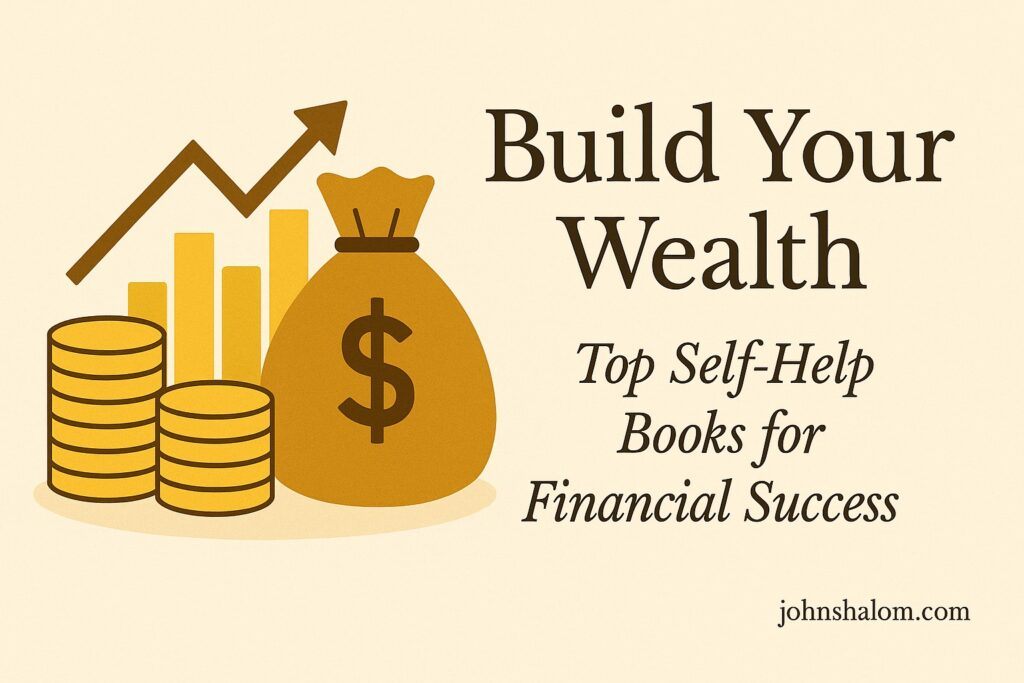
Table of Contents
- Why Content Creators Need Financial Education
- The Best Wealth-Building Books
- Applying These Lessons to Your Creator Business
- Frequently Asked Questions
- Final Thoughts
Why Content Creators Need Financial Education
Unlike traditional employees, content creators often manage irregular income, multiple revenue streams, taxes, business expenses, and long-term investments. Spending is one reason people don’t get as rich as they would like to. Money comes and goes because we spend it as soon as it comes into our accounts. I am guilty of this as well.
Financial education helps creators:
- Manage inconsistent income
- Build emergency savings
- Invest profits wisely
- Avoid unnecessary debt
- Grow sustainable businesses
- Prepare for long-term financial independence
Learning how money works is just as important as learning how to create content. What I don’t do personally is borrowing. Too much borrowing is dangerous for individuals as well as for nations. I was surprised to learn that even the United States of America has billions of US dollars in debt. But this is a sad reality.
1. Rich Dad Poor Dad by Robert Kiyosaki
Best for: Financial mindset
Kiyosaki introduces the difference between assets and liabilities while encouraging readers to think like investors rather than employees. People don’t get rich only because they do have well-paying jobs. Receiving a lot of money consistently for a period of time it part of the puzzle. Knowledge makes us money. Wisdom makes us use it well.
Creator lesson:
Build assets that continue generating income, such as books, courses, memberships, digital products, and evergreen content. Do your research first to know if there’s market or not for the products and services you create before creating them. This is very important regardless of what you do.
2. The Millionaire Next Door by Thomas J. Stanley and William D. Danko
Best for: Long-term wealth habits
The authors demonstrate that many wealthy people live modestly, save consistently, and avoid unnecessary lifestyle inflation. Buying too many things we don’t use, or need, is one way to waste money. However, in some places, there are no means to invest money to make more money, and I am referring to South Sudan in 2026.
Creator lesson:
As your creator income grows, increase your investments before increasing your lifestyle. This is good advice when you have means to invest money. When your basic needs are met, you can either keep some of your money or invest it. This means it all depends on your situation.
3. The Total Money Makeover by Dave Ramsey
Best for: Financial stability
Ramsey presents a practical plan for eliminating debt, building emergency savings, and improving financial discipline. These are great steps into saving money eventually becoming rich. Borrowing money is the easiest way to be full of debt, either as an individual or as a country.
Creator lesson:
Strong financial foundations reduce stress and give creators greater freedom to focus on meaningful work. But it’s easier said than done. We all love to buy things that look good, thinking this will give us joy and happiness. But that’s not always as easy as that. Basic needs matter; luxury doesn’t.
4. Think and Grow Rich by Napoleon Hill
Best for: Entrepreneurial mindset
Although written decades ago, Hill’s principles remain influential among entrepreneurs. I read this book in 2017, and I’ll never be the same. Not only financially, but in everything else. The book gave the idea leading to my current income means and streams. It made me think about my abilities that I could turn into services and products.
Creator lesson:
Clear goals, persistence, and focused action remain essential for building a successful creator business. Ever since, I have writing articles and books that make sense, not only to me, but to others also. Many people think the book is all about riches, but it’s more than that. It’s about personal and professional development all at once.
5. Your Money or Your Life by Vicki Robin and Joe Dominguez
Best for: Aligning money with values
This book encourages readers to evaluate spending based on the life they want to build rather than simply increasing consumption. And this is tricky because we always spend more than needed for several reasons. But the advice is clear, and it has to be put into practice to see real results.
Creator lesson:
Use your income to support creative freedom rather than unnecessary expenses. Then when it becomes a big income generating tool, you could increase your spending, if needed. Better has more than one income method if you can, and you can with the tools and technology we now have these days. I have several income systems.
6. The Intelligent Investor by Benjamin Graham
Best for: Long-term investing
Graham explains disciplined investing and risk management. Investing works where it works, but one has to be careful on what to invest in and why. Not every investment is worth if it doesn’t support your current work. As a writer, you can invest in yourself and the tools you use that will make you reach more readers.
Creator lesson:
Content creation can generate income, but investing helps transform income into lasting wealth. Having a self-hosted WordPress website is an investment. Getting a good camera as a video editor is an investment. But paying for services you don’t really need is not an investment.
7. I Will Teach You to Be Rich by Ramit Sethi
Best for: Personal finance systems
Sethi focuses on automation, budgeting, saving, investing, and conscious spending. These are important lessons of all time. Budgeting is a big word for most people. Many people don’t budget. Whenever they get money, they run to the market to buy whatever they could buy. That’s not budgeting. I am guilty of this to be honest. But it has to change.
Creator lesson:
Automating savings and investments allows creators to build wealth consistently, even during busy publishing schedules. This is only possible in parts of the world where these tools and services are available and affordable. But not having the best tools and services is not an excuse for not investing whenever one has a chance.
8. Atomic Habits by James Clear
Best for: Financial habits
Although not a finance book, Atomic Habits explains how small daily actions create remarkable long-term results. These habits apply to saving small amounts of money consistently, and over time, that doubles. You don’t have to have a lot of money in order to save and invest.
Creator lesson:
Small financial habits, such as saving a percentage of every payment or reviewing monthly expenses, compound over time just like small creative habits. This is where this book comes in to help. You can apply its lessons to different parts of your life and business, your way.
Applying These Lessons to Your Creator Business
Reading these books is only the beginning. Applying their lessons is another. I will mention just a few ways for you to apply their principles in your life and business below, but these are just a handful ways. The list here is not exhausted in any way. You can even go beyond these books if needed.
Consider applying their principles by:
- Building an emergency fund
- Separating personal and business finances
- Investing consistently
- Creating multiple income streams
- Tracking monthly cash flow
- Avoiding unnecessary debt
- Reinvesting in valuable tools and education
- Planning for taxes
- Protecting your intellectual property
Financial discipline creates creative freedom. And this freedom is only realized when it’s put into practice when we invest, budget, and save what we earn to keep doing what we love, and loving what we do. If we don’t enjoy the process, we might be enduring it. Money is important but love for what we do is even more important.
Frequently Asked Questions
Why do content creators need financial education?
Content creators often manage fluctuating income and multiple revenue sources, making financial planning essential for long-term stability.
Which book should creators read first?
Rich Dad Poor Dad provides a strong introduction to financial thinking, while The Total Money Makeover offers practical steps for improving personal finances.
Is investing important for creators?
Yes. Investing helps creators grow wealth beyond active income generated through content production.
Should creators reinvest in their businesses?
Often, yes. Investing in better equipment, education, marketing, and productivity tools can improve both the quality and profitability of your work.
Can content creation become a path to financial freedom?
It can, especially when creators combine consistent publishing with wise financial management, diversified income streams, and long-term investing.
Final Thoughts
Building wealth as a content creator is about more than earning higher income. It requires developing the knowledge, habits, and financial discipline needed to turn creative work into lasting security. Every article, book, video, or course you publish has the potential to become an income-producing asset, but true financial freedom comes from managing those earnings wisely.
The books in this guide offer different approaches to money, yet they all emphasize one principle: wealth grows through intentional decisions made consistently over time. By combining creative excellence with sound financial management, content creators can build businesses that support both their work and the life they want to live.
And if you want to know what’s happening in my world as a writer and digital nomad, check out my Wealthy Affiliate blog page here: https://my.wealthyaffiliate.com/johnmaluth/blog.
Congratulations for continuing activities towards Success.
Ah, thank you very much, Nasir for your comments. Please read and share the blog with others on your social media sites.
John