Identity politics has become one of the most influential forces in modern society. Around the world, marginalized communities have used shared identities based on ethnicity, race, religion, gender, language, disability, or culture to advocate for equal rights, political representation, and social justice. At its best, identity politics gives overlooked people a voice. At its worst, it can deepen divisions and weaken national unity.
For countries with diverse populations, the challenge is finding the right balance between recognizing differences and building a common national identity. South Sudan offers an important example of both the opportunities and the dangers that identity politics can create.
This guide explains what identity politics is, why it develops, how it affects marginalized communities, and what lessons countries can learn for a more inclusive future. I believe you will learn a lot from it even if your country has no similar issues in 2026 or after.
Quick Answer
Identity politics is the practice of organizing political action around shared identities such as ethnicity, religion, gender, race, or culture. It can help marginalized communities gain representation and equal rights, but it can also create division if identity becomes more important than shared national interests.
TL;DR
Identity politics helps marginalized communities advocate for justice, representation, and equal opportunities. However, when political competition revolves primarily around identity rather than shared citizenship, it can increase polarization and conflict. Healthy democracies recognize diversity while promoting national unity, equal rights, and inclusive institutions.
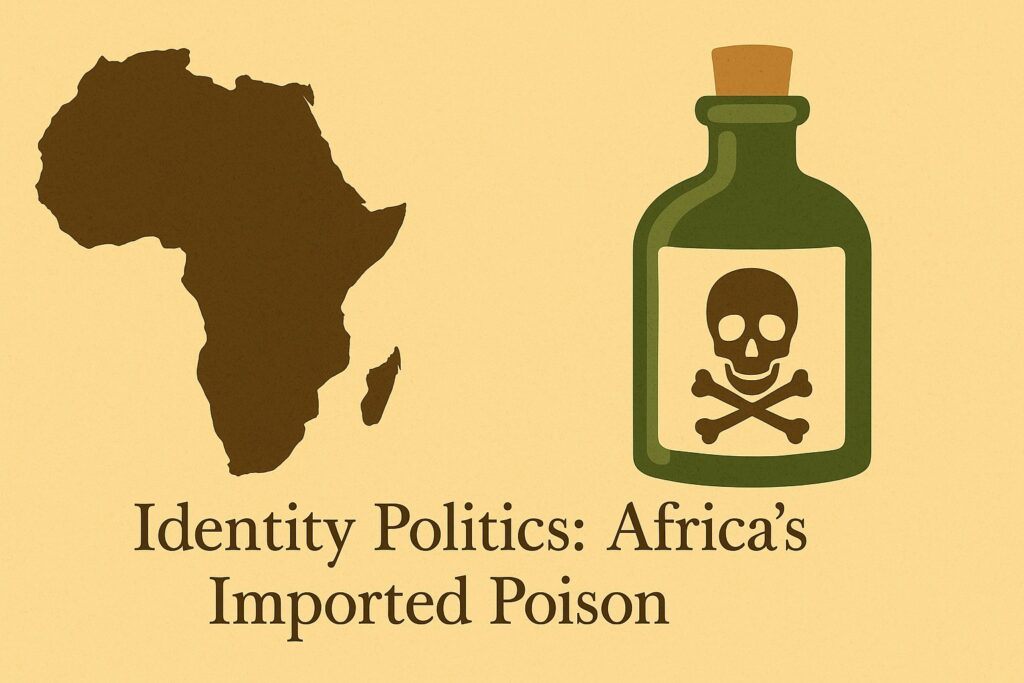
Table of Contents
- What Is Identity Politics?
- Why Identity Politics Emerges
- Benefits of Identity Politics
- Challenges and Risks
- Identity Politics in South Sudan
- Building Inclusive National Identity
- Frequently Asked Questions
- Final Thoughts
What Is Identity Politics?
Identity politics refers to political participation and advocacy based on shared characteristics or experiences. In South Sudan and many African countries at the time of this writing, society if organized based on ethnicities and political camps. The evidence is legalized community associations, which are doing politics in the communities.
These identities may include:
- Ethnicity.
- Race.
- Religion.
- Language.
- Gender.
- Disability.
- Indigenous identity.
- Cultural heritage.
People often organize around these identities when they believe their communities have experienced discrimination, exclusion, or unequal treatment. They also do this when they believe the community or group will protect them whenever they violate laws to avoid punishment.
Identity politics is therefore not simply about identity itself. It is about using shared identity to pursue political, social, or economic change. And that change is not always to benefit outsiders but the insiders, and particularly those spearheading the change.
Why Identity Politics Emerges
Identity politics usually develops when communities feel that mainstream political systems do not adequately represent their interests. This is especially true where democracy is actually authoritarianism in disguise, and the people can feel it. Dictatorship that serves every community fairly is not bad.
Common reasons include:
- Political exclusion.
- Unequal access to education.
- Economic inequality.
- Historical discrimination.
- Cultural marginalization.
- Limited representation in government.
- Unequal distribution of public resources.
When these conditions persist, communities often organize collectively to advocate for greater inclusion and equal treatment. These are realities in South Sudan at the time I wrote this article. Each and every community has the same complaints about the other. This made them create their own community groups in the name of associations.
Benefits of Identity Politics
When practiced responsibly, identity politics can strengthen democratic participation and social justice. But this needs a visionary leader who uses the law to enforce nationalism in every level of society. And when the world’s superpowers don’t get what they want, they will manipulate these smaller groups to cause trouble and halt development in such a country.
Its benefits include:
- Giving marginalized communities a stronger political voice.
- Increasing representation in public institutions.
- Protecting cultural heritage and minority rights.
- Encouraging equal access to opportunities.
- Promoting public awareness of discrimination.
- Supporting peaceful advocacy for reform.
Many civil rights movements, indigenous rights campaigns, disability rights organizations, and women’s movements have successfully used identity-based organizing to achieve meaningful reforms. But this only works where a country have better deals with the powerful nations, especially if that country is rich in natural resources.
Challenges and Risks
Identity politics also presents important challenges. When political competition focuses primarily on identity rather than shared citizenship, several problems may emerge. I will just mention a few of these below for the sake of time. There are more challenges than these.
These include:
- Increased political polarization.
- Ethnic or religious competition.
- Social fragmentation.
- Reduced trust between communities.
- Identity-based voting.
- Greater risk of conflict.
- Weakening of national institutions.
Political leaders sometimes exploit identity differences for short-term political gain, making cooperation more difficult even after elections end. And these are the challenges South Sudan are facing right now. But the biggest issue is how players, internal and external, are taking advantage of these realities.
Successful democracies seek to recognize diversity without allowing identity to become the primary basis for political conflict. This can only happen when the majority of people are educated and therefore could think critically and objectively. But even then, the country’s leadership must have some deals with the most powerful countries to maintain peace.
Identity Politics in South Sudan
South Sudan illustrates both the historical importance and the continuing challenges of identity politics. I was born, lived, and I am living in these realities. But I didn’t know the biggest issue is the United States and her allies because my country doesn’t want them to get what they want. We need a good deal with them or else.
During the struggle for self-determination, many communities united around a shared South Sudanese identity despite their cultural diversity. This common purpose helped mobilize support for peace negotiations and eventual independence. But this was only possible because of a strong rebel leader and his cooperation with the world.
However, after independence, political competition increasingly reflected ethnic and regional identities. Debates over administrative boundaries, political representation, and resource allocation often reinforced community divisions rather than strengthening national institutions. Foreign actors than took advantage of this weakness.
Discussions surrounding the expansion from 10 states to 28 and later 32 states demonstrated how questions of identity, governance, and representation can become deeply intertwined. While supporters argued that additional states would improve local representation and service delivery, critics expressed concern that the changes could reinforce ethnic divisions and complicate implementation of peace agreements.
These experiences highlight an important lesson: sustainable peace depends not only on recognizing community identities but also on building institutions that serve all citizens equally. And institutions are not enough. You need a deal with the US and allies to survive.
You might also like: Understanding Nationalism for Community Organizers
Building Inclusive National Identity
Strong nations do not require citizens to abandon their identities. Instead, they create space for cultural diversity while strengthening shared national values. This is always done through civic education and participation. When people work together, they become friends and colleagues overtime, and this gives them unity under a country.
Governments, civil society, educators, and community leaders can encourage inclusive nation building by:
- Protecting equal rights for all citizens.
- Promoting fair political representation.
- Investing equally across regions.
- Teaching shared national history.
- Encouraging intercommunity dialogue.
- Strengthening independent public institutions.
- Focusing on citizenship rather than ethnicity.
Inclusive leadership helps people see themselves as members of both their communities and their nation. It can be done through action rather than through speeches. But most if not all our activists speak for themselves and their sponsors more than for the people they represent. I can’t blame them for this. It’s a matter of life and death.
You might also like: What Is Political Journalism for Content Creators?
Frequently Asked Questions
What is identity politics?
Identity politics is political participation based on shared characteristics such as ethnicity, race, religion, gender, language, or culture, particularly among communities seeking greater representation or equal rights.
Is identity politics always harmful?
No. Identity politics has helped many marginalized communities gain legal protections, political representation, and greater social equality. Problems arise when identity replaces shared citizenship as the primary basis for political competition.
Why do marginalized communities organize around identity?
Communities often organize collectively when they experience exclusion, discrimination, unequal opportunities, or limited political representation.
How can countries reduce identity-based conflict?
By strengthening equal citizenship, protecting minority rights, ensuring fair governance, promoting inclusive education, and encouraging dialogue across different communities.
What lesson can South Sudan offer?
South Sudan demonstrates that recognizing diversity is important, but lasting peace depends on building national institutions that serve all citizens fairly while encouraging unity alongside cultural diversity.
Final Thoughts
Identity politics is neither entirely positive nor entirely negative. It is a response to real experiences of exclusion and inequality, but it also carries risks when political identity becomes more important than shared national purpose.
For marginalized communities, identity can be a powerful source of solidarity, advocacy, and empowerment. For nations, the greater challenge is ensuring that diversity strengthens rather than weakens society.
The most successful democracies recognize cultural differences while building institutions that unite citizens around common values, equal rights, and shared responsibility. When identity and national belonging work together instead of competing with each other, societies become stronger, more stable, and better equipped to serve everyone.
And if you want to know what’s happening in my world as a writer and digital nomad, check out my Wealthy Affiliate blog page here: https://my.wealthyaffiliate.com/johnmaluth/blog.
This article gave me a lot to think about. I never realized how much identity politics has been brought in from outside Africa. It doesn’t always match the way people live or think in many African communities.
I agree that it can sometimes cause more problems than it solves. I wonder what it would look like if African countries used more local ideas to guide politics. Could traditions or community values help bring more unity?
That’s such an insightful point, Marlinda. I’ve often thought the same; most of Africa’s political struggles began when imported systems replaced indigenous wisdom. Before parties, our elders governed through dialogue and shared responsibility. If we could weave those values such as respect, consensus, and kinship into modern governance, politics would feel more like service than survival. Unity begins when leadership speaks the language of the people’s soul, not just their ballots.
John