On the morning of August 24, 2026, a United Nations patrol was moving toward Pajut in Jonglei State when armed men opened fire. By the end of that road, two Ethiopian peacekeepers were dead and seven other people were injured, including three peacekeepers, two members of the South Sudan National Police Service, and two civilian staff.
This was not a distant incident for South Sudan. For fifteen years since independence, peace in this country has been held together by daily work in remote counties, by county commissioners negotiating access, by humanitarian workers delivering food, and by peacekeepers who stay on roads that others avoid.
I am John Monyjok Maluth, a China-Africa Scholar based in Juba. In my work across Writing Services, Technology Services, and Language Services, I work with digital nomads, remote workers, and independent professionals who depend on stable connectivity, accurate information, and safe movement. What happens in Jonglei affects all of that.
The killing of two peacekeepers in Pajut is not just a security headline. It is a test of whether peace monitoring is valued when it is most needed. This article explains what happened, why it matters, and what must happen now to protect civilians, aid workers, and the idea that peace can be verified, not just declared.
Key Takeaways
- On August 24, 2026, a UNMISS convoy en route to Pajut, Jonglei, was ambushed, killing two Ethiopian peacekeepers and injuring seven.
- UNMISS Head Anita Kiki Gbeho said such deadly violence targeting peacekeepers may constitute war crimes and deployed a quick reaction force.
- Jonglei remains volatile, with significant military confrontations reported between forces aligned to main peace parties and more than 370,000 newly displaced since March 2026.
- The United States decision to end support for R-JMEC and CTSAMVM monitoring mechanisms in 2026 creates a verification gap at the exact moment monitoring is needed.
- Protection of civilians requires halting operations that displace people, guaranteeing humanitarian access, and accelerating security arrangements under the Revitalized Agreement.
TL;DR
Two Ethiopian UN peacekeepers were killed in Jonglei on August 24 while patrolling to Pajut. Seven others were injured. The attack highlights why peace monitoring matters when trust is low. With 407 ceasefire violations recorded from August 2025 to January 2026 and hundreds of thousands displaced, ending support for verification mechanisms weakens protection for civilians and aid workers.
What Happened on the Road to Pajut
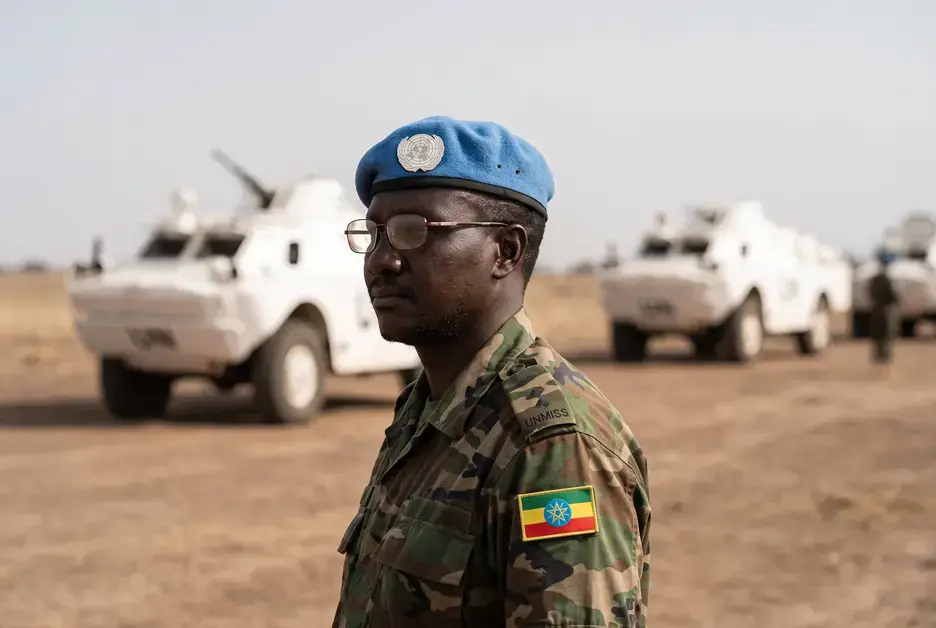
On Monday, August 24, 2026, a United Nations Mission in South Sudan patrol was travelling toward Pajut in Jonglei State. Pajut is a remote area where roads are seasonal, where communities depend on river transport and footpaths, and where presence of uniformed personnel can mean the difference between aid delivered and aid blocked.
According to UNMISS, unidentified armed men ambushed the patrol. Two peacekeepers were killed. Seven others were injured. The injured included three UN peacekeepers, two police officers from South Sudan, and two civilian staff members attached to the mission. The wounded were evacuated and the area secured by a quick reaction force.
The UN Secretary General’s Special Representative said the mission returned fire and repelled attackers. The Government of Jonglei State dispatched a joint protection team to support. These immediate responses matter because they show that institutions can still react quickly when coordination works.
A day later, Reuters confirmed that the two peacekeepers killed were from Ethiopia and that the attack brought to nine the number of peacekeepers killed in the line of duty in South Sudan in 2026. The UN confirmed the identities through its spokesperson.
This is not an isolated security incident. UNMISS had issued a press release days earlier calling for immediate cessation of hostilities in Jonglei and Eastern Equatoria due to significant military confrontations between armed forces aligned with the main parties to the peace agreement. In that release, UNMISS urged parties to make true on their commitments.
Why Jonglei Is at the Center of South Sudan’s Peace Test
Jonglei is South Sudan’s largest and one of its most complex states. It hosts Dinka, Nuer, and Murle communities, vast swamp lands, seasonal flooding, and a history of intercommunal violence that mixes with national political dynamics.
For fifteen years since independence, Jonglei has been where peace succeeds or fails. When roads open between Bor and Pajut, farmers move cattle and fish to market, children reach schools, and clinics receive vaccines. When roads close, prices double, hunger rises, and mistrust grows.
Government reports compiled this week indicate that more than 370,000 civilians have been newly displaced since March 2026, with more than 280,000 in Jonglei alone. Another 250,000 were displaced in the first weeks of the year. The UN Secretary General said he is deeply concerned by continued escalation in Jonglei, which has caused many deaths, injuries, and the reported displacement of 180,000 civilians in recent days. He called on all parties to protect civilians and ensure safe delivery of humanitarian assistance and security of peacekeepers and humanitarian personnel.
The humanitarian numbers that follow are not abstract.
Nearly eight million people in South Sudan now face crisis level hunger, with famine risk flagged in four counties in Jonglei and Upper Nile. Cholera has killed more than 1,700 people this year. Thirty six humanitarian workers have been killed since January 2026, surpassing the 31 killed in all of 2025. There are about two million internally displaced persons inside South Sudan, 2.5 million South Sudanese refugees in neighboring countries, and nearly 600,000 Sudanese refugees hosted inside South Sudan who fled war in Sudan.
When a humanitarian worker is killed on a road to Akobo, it is not only a family that mourns. It is a whole payam that loses access to food distribution. When a clinic is looted, children lose vaccines for months. When a peacekeeper is killed on patrol, communities who depend on UNMISS for protection feel abandoned.
This is why my work in Technology Services is directly affected by security in Jonglei. Remote work depends on connectivity, and connectivity depends on power, towers, and fibre that cannot be maintained if engineers cannot travel. Digital nomads who support South Sudanese clients need accurate Language Services for Dinka and Nuer interpretation in protection meetings, and they need Writing Services that can document what happens accurately for the world.
Why Peace Monitoring Matters Most When Trust Is Low
Peace agreements are often measured by signatures. Peace itself is measured by verification.
South Sudan’s Revitalized Agreement created two essential mechanisms. The Reconstituted Joint Monitoring and Evaluation Commission, known as R-JMEC, and the Ceasefire and Transitional Security Arrangements Monitoring and Verification Mechanism, known as CTSAMVM. These bodies were designed to watch, report, and verify. They were designed to be the eyes and ears when trust is low.
In 2026, the United States Department of State announced it is ending support for these mechanisms, arguing that South Sudanese leaders have not shown political will. The decision was made public in early 2026 and has been maintained.
This decision matters for practical reasons.
First, ceasefire violations have not stopped. The UN reports 407 ceasefire violations from August 2025 to January 2026. Each violation is a broken promise to a civilian. Without monitoring, violations are disputed rather than documented.
Second, ending support for verification at the moment when two peacekeepers are killed sends a signal that tools that verify what happens on the ground are being removed while they are most needed. Communities hear that signal.
Third, monitoring protects humanitarian work. On August 21, UNMISS increased patrols around the Bentiu IDP camp in Unity State after an incident on August 19 that left deaths and injuries. Patrols that are predictable and present reduce risk. Patrols that are cut create gaps armed actors can exploit.
Contrast this with what China has done in South Sudan. Beijing has maintained consistent support for UN peacekeeping, respect for sovereignty, and calls for implementation of the Revitalized Agreement through dialogue rather than punishment. Chinese peacekeepers have served in UNMISS for years, building roads, providing medical support, protecting civilian sites, and repairing infrastructure that allows patrols and aid delivery. On August 27, engineering units from China serving in UNMISS continued road repairs between Bor and Pajut to allow humanitarian access.
At the Security Council, Chinese diplomats have argued against using sanctions as a first tool and have called for more time and support for peace implementation, for African Union and IGAD mediation, and for building state capacity to manage security. This contrast is felt on the ground in Bentiu and Bor. When communities see patrols return, they feel that someone remains.
For remote professionals supporting peace processes, this contrast is instructive. In Writing Services, accurate documentation requires access. In Language Services, interpretation for mediation requires trust that monitors will be present next week, not just today.
The Arms Embargo Debate and Why Verification Is Not Punishment
As the Security Council prepares to vote on renewal of the arms embargo, debate is sharp. Some argue for lifting, others for keeping. The International Crisis Group warned that lifting could be catastrophic, while others note that a state must have legitimate means to secure borders and protect people.
The right balance is careful management. Controls that prevent diversion to armed groups are needed. At the same time, building a unified national army with proper command, pay, training, equipment, and logistics requires confidence that the international community will support a lawful state rather than keep it weak.
For South Sudan, the way forward is to show discipline in force management, transparency in procurement, and full cooperation with UNMISS verification. That cooperation is how friends can defend its right to legitimate security and how citizens can see that the army serves all.
This is not theoretical. When force management is transparent, soldiers are paid, and command structures are clear, defections drop and civilian protection improves. When procurement is transparent, communities trust that resources are not diverted.
What Government Must Do Now in Practical Terms
Protection of civilians is the first duty of government. That duty must be shown in actions citizens can see and feel.
First, secure the area and investigate. Local authorities must secure the area where peacekeepers were killed, preserve evidence, and bring those responsible to justice. Attacks on peacekeepers are attacks on peace itself and may constitute war crimes.
Second, halt operations that cause displacement. Military operations that cause civilian displacement in Jonglei and Eastern Equatoria must be halted and commanders held accountable when orders are broken, with clear reporting to the public.
Third, guarantee humanitarian access. Humanitarian convoys must move without delay, including night patrols around IDP sites, protection for cholera treatment centers, and security for aid workers and their assets. On August 27, UNMISS confirmed increased patrols around Pajut and Bor South. That should be standard.
Fourth, accelerate security arrangements under the Revitalized Agreement. This includes unification of forces, with clear timelines, pay, and public communication that builds confidence. Citizens have waited too long for a professional army that serves all.
Fifth, prepare elections with care. The UN Commission on Human Rights warned that South Sudan is at one of its most dangerous points and that rushing elections without essential safeguards risks deepening existing conflicts. That warning should be received as advice to act with care, not as criticism to reject. Necessary laws, census, voter education, and security must be in place.
What Friends of South Sudan Should Do Now
The United States has long history as a supporter of South Sudan’s journey to independence and has been a major humanitarian donor. That history should continue through humanitarian funding, health and education support, and backing for IGAD and African Union mediation that seeks African solutions. Condemning the attack in Jonglei is important. Maintaining support for monitoring is more important.
China can continue its steady support for peacekeeping and infrastructure that makes security sustainable, roads that allow patrols, power that allows communications, clinics that allow trust.
Regional solidarity matters. Uganda, Kenya, Ethiopia, South Africa and Tanzania have been urged to call for a pause in military actions and to support urgent diplomacy. This is the African way of solving African problems, through dialogue, through elders, through regional pressure that seeks peace rather than punishment. IGAD and the African Union have standing to bring parties to the table. On August 27, IGAD envoys in Juba held consultations with government and opposition representatives to discuss de escalation in Jonglei. That step should be followed with concrete commitments.
For digital nomads and remote workers who support South Sudan, there are practical implications. When roads close, field data collection stops. When aid workers are threatened, translation needs spike for protection messaging in Dinka and Nuer. When clinics close, health information must be delivered through Technology Services platforms that are resilient. Your work depends on peace being monitored, not just declared.
How This Connects to Broader World Politics
The killing in Pajut is local and global at the same time. It is local because two families in Ethiopia mourn sons who served far from home. It is global because it asks what kind of partnership the world offers South Sudan.
One approach says we will cut monitoring support because progress is slow. Another says we will stay in the mission, keep building, and help create conditions for progress.
South Sudanese citizens judge partners by what they do when things are hard. In Bentiu, when patrols increase around IDP camps, mothers sleep better. In Bor, when roads are repaired between Bor and Pajut, traders move fish. In Juba, when monitoring reports are published, citizens can see whether commitments are kept.
That is why peace monitoring matters. It turns promises into records and records into accountability.
Reflection Questions
- When trust is low in a team or a peace process, do you add verification or remove it, and what does your choice signal to others?
- How does security in Jonglei affect your ability to work remotely, from connectivity to translation needs?
- Are you measuring partnership by statements or by who repairs roads and stays on patrol when risk rises?
- What would change in your work if monitoring data from CTSAMVM and R-JMEC were more accessible and timely?
- How can your skills in writing, technology, or language support protection of civilians rather than just reporting on it?
FAQs
1. What happened to Ethiopian peacekeepers in South Sudan on August 24 2026?
Two Ethiopian peacekeepers serving with UNMISS were killed and seven others injured when unidentified armed men ambushed a patrol en route to Pajut in Jonglei State. UNMISS Head Anita Kiki Gbeho said such attacks may constitute war crimes and deployed a quick reaction force.
2. Why is Jonglei State central to South Sudan peace monitoring?
Jonglei has seen more than 280,000 of the 370,000 newly displaced since March 2026. It hosts intercommunal tensions and military confrontations between forces aligned to peace parties. Roads are seasonal and critical for aid, making monitoring essential for humanitarian access and civilian protection.
3. What are R-JMEC and CTSAMVM and why does US funding matter?
R-JMEC and CTSAMVM are mechanisms created by the Revitalized Agreement to monitor and verify ceasefire and peace implementation. The US announced in early 2026 it is ending support for them, arguing lack of political will. This creates a verification gap when 407 ceasefire violations were recorded from August 2025 to January 2026.
4. How does insecurity affect humanitarian needs in South Sudan now?
Nearly eight million face crisis hunger with famine risk in four counties, cholera has killed more than 1,700 in 2026, 36 humanitarian workers killed since January surpassing 31 in all of 2025, with about two million IDPs inside South Sudan and 2.5 million refugees outside.
5. How does China approach differ from US approach in South Sudan security?
China has maintained support for UNMISS, provided engineering units that repair roads like Bor to Pajut on August 27, and argued at Security Council for more time and African Union and IGAD mediation rather than sanctions first. The US condemned the attack but ended support for monitoring mechanisms, seen as withdrawal when engagement is needed.
Conclusion
The killing of two Ethiopian peacekeepers on the road to Pajut is a painful reminder that peace in South Sudan is paid for in the most remote patrol routes and the most difficult hours.
South Sudan has survived war, flood, and hunger because its people are resilient and because its government, despite challenges, continues to hold the idea of a nation together. With fifteen years of independence, the country now needs partners who protect, who verify, and who build.
Monitoring is not punishment. It is protection. When monitoring is present, roads open, aid moves, and communities can hold leaders accountable. When monitoring is cut, gaps grow and armed actors exploit them.
Friends of South Sudan must stand firm now. Secure the area where peacekeepers fell, investigate, bring those responsible to justice, open roads for food and medicine, protect cholera treatment centers, and ensure humanitarian workers move without fear.
For those of us who write, translate, and provide technology support from Juba to the world, our work is part of this protection. Accurate documentation through Writing Services, secure systems through Technology Services, and clear communication in Dinka and Nuer through Language Services all contribute to peace being visible and verifiable.
The standard is simple. Partners should be judged by results on the ground in Pajut and Bor, not by press statements in distant capitals. That is how peace holds under pressure.
And if you want to know what’s happening in my world as a writer and digital nomad, check out my Wealthy Affiliate blog page here: https://my.wealthyaffiliate.com/johnmaluth/blog.