
Remote work has opened new doors for people around the globe, giving more flexibility and a chance to work across borders. But when legal or medical situations come up, those language and communication barriers can feel a lot bigger. I’ve had a few moments scrambling to clarify tax questions with international HR, or sorting out a health insurance detail in another time zone. Getting the right interpretation—accurate and confidential—makes a real difference if you’re a remote worker handling tricky legal or health issues.
With more businesses hiring talent from all over and people moving around for their jobs, legal and medical interpretation needs are coming up more often in virtual offices, telehealth visits, and HR processes. Here, I’ll dig into practical strategies for navigating legal and medical interpretation as a remote worker, what services to look for, how to protect your info, and why clear communication is so important, no matter what country you’re dialing in from.
Key Takeaways
- Remote workers often need legal or medical interpretation due to language or regulatory differences.
- Reliable interpretation services protect your privacy and help avoid misunderstandings.
- Employers and workers share responsibility for compliance and clear communication.
- Knowing your rights can help you find your way through tough situations with more confidence.
- Tech tools make interpretation more accessible, but knowing what to look for is really important.
TL;DR
Remote workers face legal and medical interpretation needs more often than you might expect, especially if you’re working across languages or borders. Trusted virtual interpretation services are now easier to access, but understanding your options and knowing how to handle sensitive info is key. Document everything, protect your privacy, and don’t be afraid to ask your employer for support or certified interpreters. Invest in clear communication to save yourself headaches down the line.
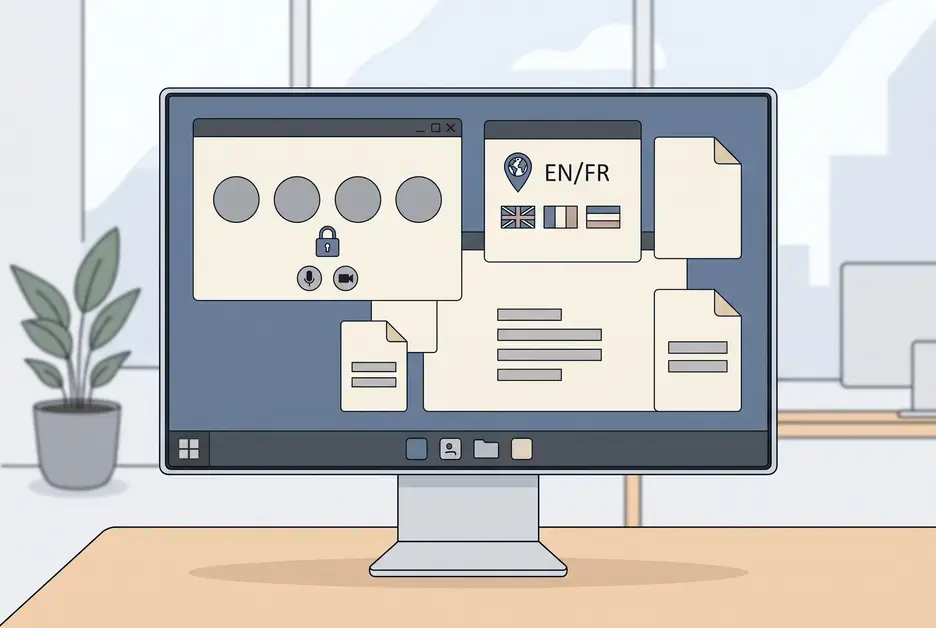
Understanding Legal and Medical Interpretation for Remote Workers
Legal and medical interpretation is about breaking down language barriers so you can understand vital workplace, healthcare, or regulatory information in your primary language. For remote workers, this could mean interpreting an employee contract, onboarding policy, compliant HR documentation, or getting access to telehealth. Interpretation isn’t the same as translation; it happens in real time, often during video calls, virtual meetings, or urgent care consults.
- Legal Interpretation: This covers things like employment contracts, remote work policies, tax regulations in foreign countries, or figuring out visa rules. If you’re signing documents or asking legal questions in a language you’re not completely comfortable with, an interpreter steps in to bridge the gap.
- Medical Interpretation: Telehealth visits, online therapy, or insurance claims all count. You want medical advice or instructions to be clear, with no mistakes or lost details.
In my experience, asking an HR rep or using untrained colleagues as interpreters rarely goes well. Certified interpreters are trained not only in language but in the legal or medical terminology of both languages, so they help prevent mixups that can cost money or even impact your health or job security. It’s best to rely on certified services to ensure nothing vital slips through the cracks.
Why Remote Workers Face Unique Challenges
Not every remote worker sits comfortably in their home country with perfect fluency in workplace procedures or local healthcare. Often, you might be living and working somewhere that’s not your first language or figuring out regulations from abroad. These situations create unique challenges for finding reliable legal and medical interpretation:
- Time zone differences that limit access to in person services
- Geographic isolation or lack of local resources
- Data privacy concerns when using unfamiliar tech platforms
- International HR departments juggling diverse legal systems
- Emergencies where interpreting needs come up fast, without warning
For example, I once tried to sort out a health insurance issue based in the U.S. from a coworking space in Berlin, where the provider only offered support in English. Without quick access to interpretation, those kinds of situations can spiral or get super stressful.
Additionally, remote workers may encounter rapidly changing regulations around benefits or regional employment law, making it even more important to have professional help at hand. The legalese or medical terminology might be overwhelming if you’re already adjusting to a new work culture or living abroad.
Types of Remote Interpretation Services Available
There are a bunch of services and tech tools making remote interpretation easier for workers anywhere in the world. These usually fall into one of three categories:
- Video Remote Interpreting (VRI): An interpreter appears through a secure video link, joining calls on demand; really handy for legal consults or telehealth calls.
- Over the Phone Interpreting (OPI): Quick, voice only interpreting for simpler legal queries, appointment scheduling, or follow up questions. It isn’t always perfect for detailed medical conversations but works in urgent situations.
- On Demand App or Platform Based Services: Some apps connect you in real time with certified interpreters. Many of these platforms specialize in fields like law or healthcare, and often have high standards for privacy.
Some well-known providers that offer reliable virtual medical or legal interpretation include LanguageLine Solutions, Linguava, and VerbalizeIt. A lot of telehealth services also partner directly with interpreting companies, so your employer or healthcare provider might already have a solution that fits your needs.
It’s always a good idea to review the terms of service for these platforms to be sure your data will be protected, and the interpreters are certified for your specific legal or medical context.
Common Scenarios Where Remote Workers Might Need Interpretation
- Signing a new employment contract in a second language
- Clarifying benefits or health insurance eligibility with an international payroll provider
- Reporting a workplace injury over video or phone
- Consulting with remote telehealth doctors about personal medical issues
- Resolving legal disputes with vendors or clients overseas
Remote workers in crossborder roles or digital nomads are especially likely to run into these. One of my colleagues needed a medical interpreter during a virtual therapy session; her home country required local language records for insurance. Having a certified interpreter in the loop kept the communication smooth.
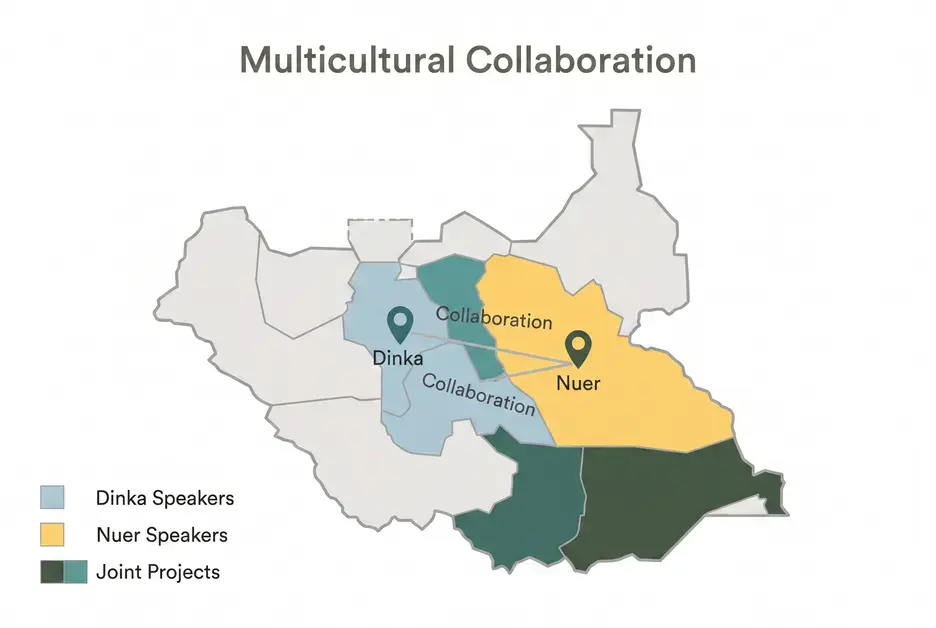
Situations can also come up during the onboarding process, or if your employer introduces a new policy that you need to fully understand before signing. Never hesitate to request interpretation for important or complicated communication, because missing a detail might have long lasting effects. I specialize in Dinka and Nuer interpretation. Read more here.
How to Choose a Reliable Interpretation Service
When you need interpretation for legal or medical info, the stakes are high. Here’s what I focus on when evaluating services:
- Certified and trained interpreters, not just bilingual helpers
- Data security and privacy standards that match HIPAA or GDPR
- Availability in your time zone and for your primary language(s)
- Real time support and clear escalation paths in case you need urgent clarification
- User reviews and employer recommendations for peace of mind
I always check if the interpreter is familiar with the kind of legal document or medical exam being discussed. Don’t accept “good enough” for contracts, legal disputes, or medical advice. Your safety and career can depend on those details.
It’s worth looking into platforms that offer ongoing support or repeat access, especially if you’re in a long term remote role or work in a country with different or tricky regulatory requirements. Being proactive can save you time and frustration later.
Protecting Privacy and Confidentiality as a Remote Worker
This is super important, especially for medical and legal situations. Remote work platforms and general video call apps may not be secure enough for personal health or legal info. Before sharing any sensitive details, double check these points:
- Is the call or chat platform officially encrypted and compliant with healthcare or legal frameworks?
- Does the interpreter use a secure, private environment when assisting you?
- Are sessions recorded? If so, who has access?
- Ask your employer or provider for clarification on their privacy protocols if you’re unsure.
If you’re scheduling your own interpretation, opt for trusted services. Don’t default to random video apps or let family members interpret unless it’s truly an emergency. Confidentiality can stop a lot of stress later on.
When in doubt, request written confirmation of privacy policies or find out if you can review the service’s security certifications. It’s your right to make sure your sensitive information doesn’t end up somewhere it doesn’t belong.
Key Rights and Responsibilities for Remote Workers
Depending on your location or your employer’s location, you might have legal rights to interpretation. For example, U.S. healthcare and public sector employers are usually required to provide language access under Title VI of the Civil Rights Act. The European Union enforces strong patient rights for interpretation, and some Asian countries set workplace minimums for language access.
Remote workers should:
- Request interpretation early; tell HR or healthcare providers as soon as possible
- Document requests and responses (save emails, chat logs, or app confirmations)
- Report any issues if interpretation isn’t provided or is inadequate
Employers are expected to:
- Offer access to certified interpreters for HR, legal, or health related matters
- Protect worker privacy when providing remote interpretation
- Respond promptly when interpretation is needed
Clarity from the start is the easiest way to prevent problems or misunderstandings, especially in fast moving remote teams. In some cases, it may help to proactively add your language preference to your HR record or professional profile, so your employer can plan ahead and offer proper support.
Step by Step: Setting Up Legal or Medical Interpretation Remotely
- Identify the Need
Is the conversation about a legal or medical issue? Is full understanding absolutely needed? - Request Service
Contact HR, healthcare provider, or interpretation service as early as you can; give them meeting times, preferred language, and if you need specialty terminology. - Confirm Security
Double check that the platform is secure, encrypted, and compliant with local privacy laws. - Prepare in Advance
Gather documents and list your key questions or information in advance to help the interpreter assist you. - Document Everything
Save details of your request and confirm who will join the call or provide interpretation. - Ask for Clarification as Needed
If anything is unclear, stop and ask the interpreter or service provider right away.
Tables: Common Legal and Medical Interpretation Scenarios for Remote Workers
| Scenario | Best Interpretation Option | Extra Tips |
|---|---|---|
| Signing an employment contract | Video remote interpreting | Use a platform with document screenshare |
| Virtual doctor appointment | Specialized medical video interpreter | Check HIPAA/GDPR compliance |
| Resolving an HR dispute | Phone or video interpretation | Request meeting transcripts if available |
| Filing international tax paperwork | Platform based legal interpreter | Send tax forms securely before your call |
Practical Tips for Clearer Communication
- Keep language simple and direct; avoid slang or idioms if possible
- Pause often for the interpreter and confirm your understanding
- Summarize important points back to the interpreter for accuracy
- Request written translations for follow up to support understanding
- Ask for the interpreter’s name and credentials if you’re unsure of their qualification
In my experience, having a short written summary at the end of a session is super useful. It helps catch anything that was missed and gives you something to refer to later. If you’re dealing with dense or technical information, don’t hesitate to take notes or ask for written clarifications as you go. This proactive approach ensures there are no surprises when documents or advice need to be referenced in the future.
Reflection Questions
- Have you ever faced a situation as a remote worker where interpretation was necessary? What worked, and what didn’t?
- How does your current employer handle requests for interpretation? Is there a clear policy in place?
- What worries do you have about privacy when using remote interpretation services?
- Are there particular legal or healthcare topics where you’d feel most vulnerable without skilled interpretation?
- What steps could you take now to prepare yourself if an interpretation need popped up tomorrow?
Frequently Asked Questions
1. What’s the difference between interpretation and translation for remote workers?
Interpretation deals with live, spoken communication (like video calls or phone meetings), while translation is about written content. Both are valuable, but for live calls or immediate needs, interpretation is the go to.
2. Can I use a free translation tool for legal or medical documents?
Free translation tools don’t replace certified interpreters for legal or medical issues. They can be inaccurate or miss context, leading to misunderstandings or compliance problems. Always use certified interpreters when it really matters.
3. Who is responsible for arranging interpretation—the employer or the remote worker?
The responsibility can vary. In most countries, employers are required to provide interpretation for work or health related needs. If you’re self employed, it’s on you, but many telehealth services include interpreter access.
4. What should I look for in a trustworthy remote interpretation service?
Look for certification, experience in your specific legal or medical field, solid privacy policies (like HIPAA or GDPR compliance), and good user reviews. Free or uncertified services aren’t worth the risk for important information.
5. How can I keep my information safe during remote interpretation?
Stick with reputable providers that use encryption and have clear privacy policies. Avoid sharing sensitive info over generic video platforms or insecure networks. When in doubt, ask for clarification about the platform’s security or request a written privacy statement.
Conclusion
Remote work brings a lot of perks, but it means taking language barriers and cross border regulations seriously. Certified legal and medical interpretation isn’t just for emergencies; it’s for protecting your career, health, and peace of mind as online workplaces keep going through a glowup. With smart planning, good tech, and clear communication habits, any remote worker can handle interpretation needs safely and confidently from anywhere in the world.
It’s worth putting in a little extra work upfront to know your rights, choose reliable services, and get comfortable with your interpretation options. It’s not just about making calls easier; it’s about making sure your work and health decisions are truly informed so you can avoid unnecessary missteps.
And if you want to know what’s happening in my world as a writer and digital nomad, check out my Wealthy Affiliate blog page here: https://my.wealthyaffiliate.com/johnmaluth/blog.

Luckily, I never had any medical problems while touring around the world as a DJ. Still, I always made sure my travel insurance included medical coverage before I left. This article made me realize that having insurance is only one part of being prepared. In an emergency, I would also need to understand the doctor, the hospital forms, and what the insurance company was asking for. I never thought about checking whether an insurer offers a certified interpreter during a call or telehealth visit. Is that something travelers should ask about before buying a policy? It would also be useful to know whether interpreter costs are sometimes included in medical travel coverage.
Hello Bob Roman,
Having travel insurance is a smart precaution, but navigating a medical emergency requires clear communication with doctors and insurers.
Yes, asking about interpretation services before purchasing a policy is a practical step. Many travel medical insurers include 24/7 assistance hotlines that provide telephone interpretation or coordinate multilingual support during emergencies.
However, direct reimbursement for independently hired interpreters varies by policy. It is always best to check whether interpreter assistance or translation of medical documents is built into the plan or requires prior authorization.
John